Weekend Life In The Boulder Mountains
May 28, 2026
May 28, 2026
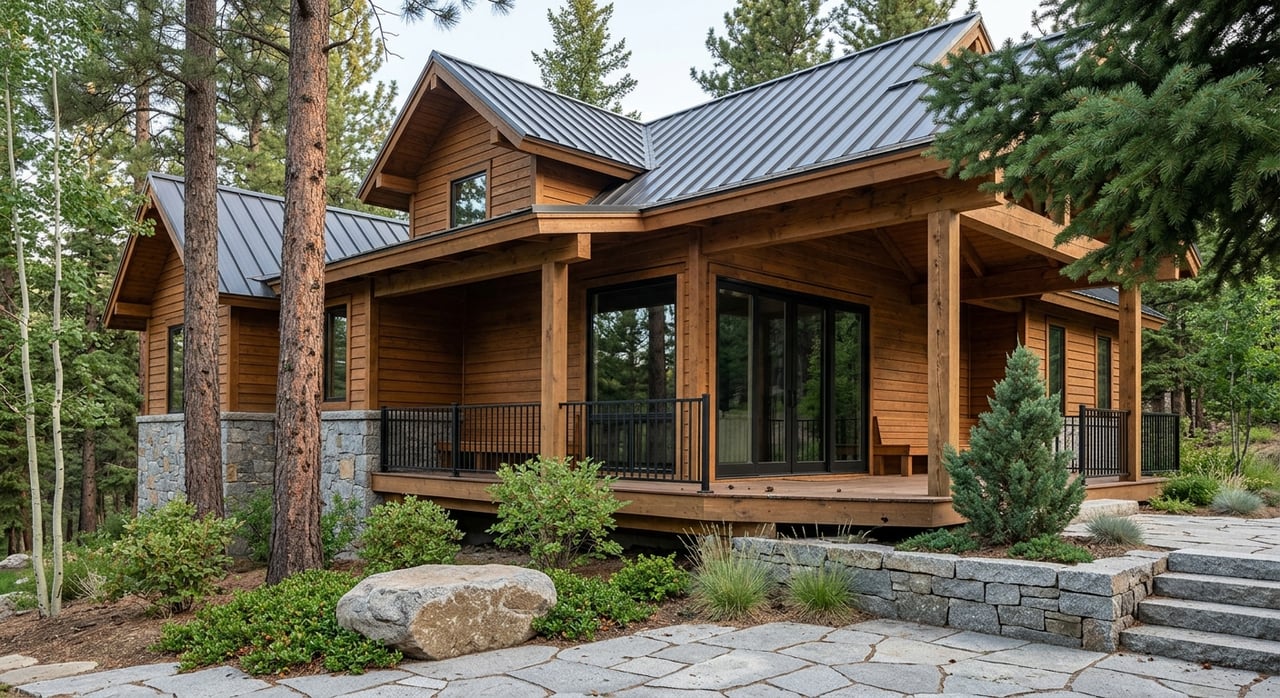
If your ideal weekend starts with mountain air and ends with dinner in town, Boulder’s foothills offer a rare kind of balance. You get privacy, trail access, and a true retreat feeling without losing your connection to everyday Boulder life. If you are wondering what that rhythm really looks like, here is a closer look at how weekends unfold in the Boulder mountains. Let’s dive in.
Weekend life above Boulder is shaped by a mix of open space, elevation, and easy access back to town. The City of Boulder notes that the community has 45,000 acres of preserved open space, more than 150 miles of trails, and more than 300 days of sunshine each year. The University of Colorado Boulder also notes that the city sits at 5,430 feet, with four seasons, low humidity, and weather that can shift quickly.
That combination creates a lifestyle that feels outdoorsy and grounded in place. You can wake up to big views and quiet surroundings, spend part of the day on the trail, and still be back in Boulder for errands, dinner, or time on Pearl Street. For many buyers, that is the real appeal.
For many foothills homeowners and weekend visitors, the pattern is simple. The day often starts outside, with hiking, trail running, or a scenic drive before afternoon weather changes or trailheads get busier. Later, the pace slows down with time at home, then a trip into town for a meal or a few essentials.
Boulder County says its parks are open from sunrise to sunset, and overnight parking is not allowed. The county also encourages visitors to plan ahead, use shuttles when trailheads are busy, and pay attention to area-specific rules. That means weekend life here is not just spontaneous adventure. It also involves knowing the conditions before you go.
One of the biggest draws of Boulder mountain living is how quickly you can get outside. Chautauqua sits right at the edge of the foothills and serves as one of the best-known starting points into Boulder’s trail system. It is also closely tied to the city, making it easier to connect mountain time with in-town amenities.
Pearl Street Mall gives that lifestyle an urban counterpoint. According to the City of Boulder, it is the pedestrian downtown core with RTD access, dining, shopping, and a year-round social atmosphere. That short connection between foothills living and central Boulder is a big part of what makes the area so appealing.
Boulder’s trail system is highly managed, and that matters if you spend weekends outside. Open Space and Mountain Parks maintains closure maps and trailhead cameras because wildlife restrictions, muddy conditions, and weather can affect access. Some areas close seasonally for nesting birds, raptors, bats, or bear-related leash restrictions.
In practical terms, your weekend plans may change from one week to the next. Instead of always heading to the same trail, you may check conditions first and choose the route that makes sense for the season. That local rhythm becomes part of everyday mountain living.
Boulder mountain weekends are not just a summer story. In the warmer months, many people spend time hiking, trail running, mountain biking, climbing, or watching wildlife. In fall, scenic drives and changing leaves become part of the routine.
Winter brings a different pace, but not an empty one. Snow travel and ski days become part of the lifestyle, and Eldora remains the closest major ski destination in Boulder’s orbit at 21 miles west of downtown Boulder. That helps define the area as a true four-season retreat market.
Boulder County highlights several foothills destinations that show the variety of the area:
Each destination offers a slightly different experience. That is one reason weekends here can feel full without feeling repetitive.
Betasso Preserve is a strong example of how Boulder recreation blends access with structure. Boulder County notes that hikers and equestrians are encouraged on Wednesdays and Saturdays when bikes are off the trail. Dogs are allowed on leash, and some electric rideables, including e-bikes, are prohibited.
That kind of shared-use etiquette is common in the foothills. If you own a home here, understanding these patterns helps you enjoy the area the way locals do.
A mountain property near Boulder does not mean being cut off. In fact, one of the strongest lifestyle advantages is how easily you can move between a quiet home setting and Boulder’s daily conveniences. That flexibility supports both full-time living and second-home use.
During the summer season, the City of Boulder’s Park-to-Park shuttle provides free satellite parking and shuttle service to Chautauqua on weekends and holidays. For the 2026 season, the shuttle runs from May 23 through September 7, every 30 minutes from 8 a.m. to 8 p.m. Paid parking applies around Chautauqua on weekends and summer holidays, while parking is free there in fall, winter, and spring.
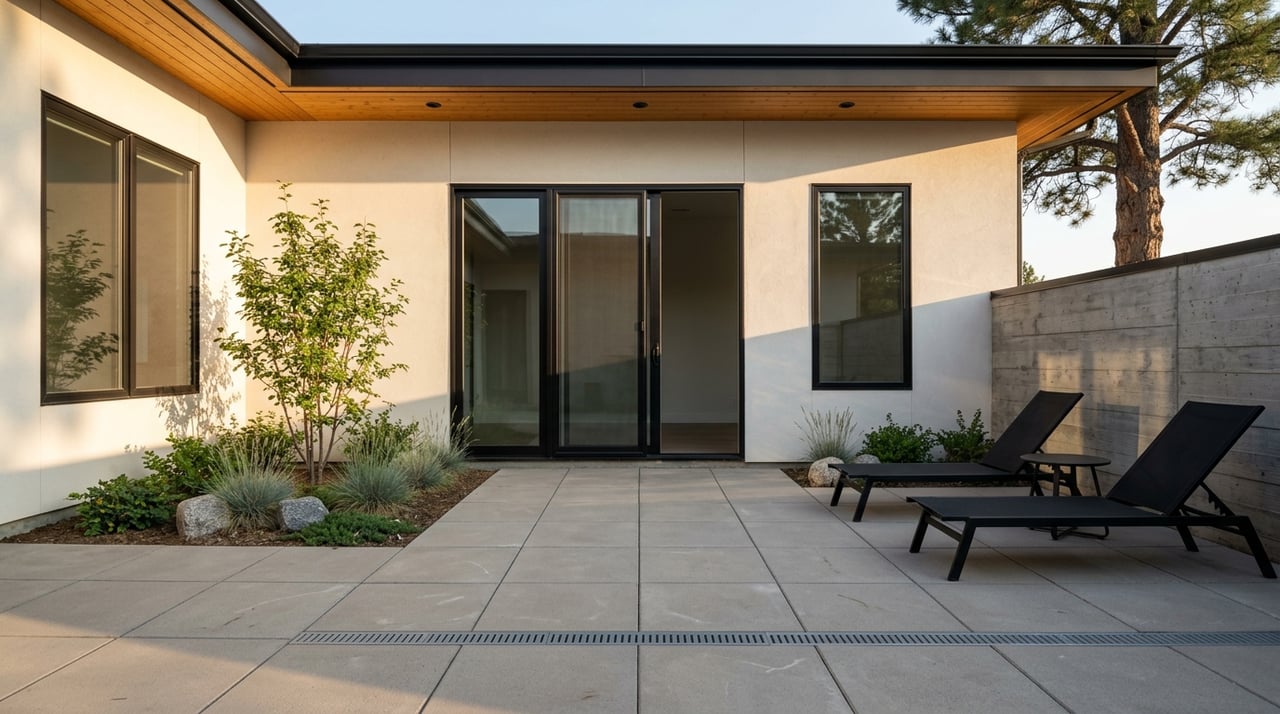
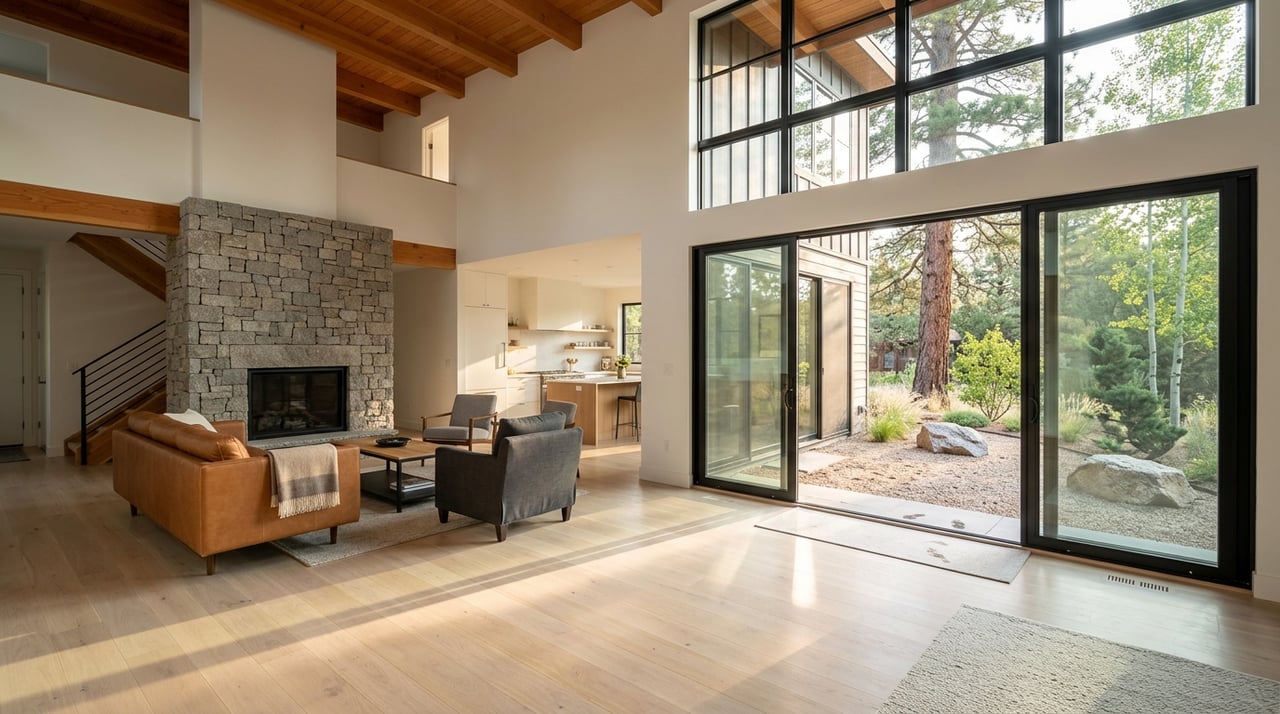
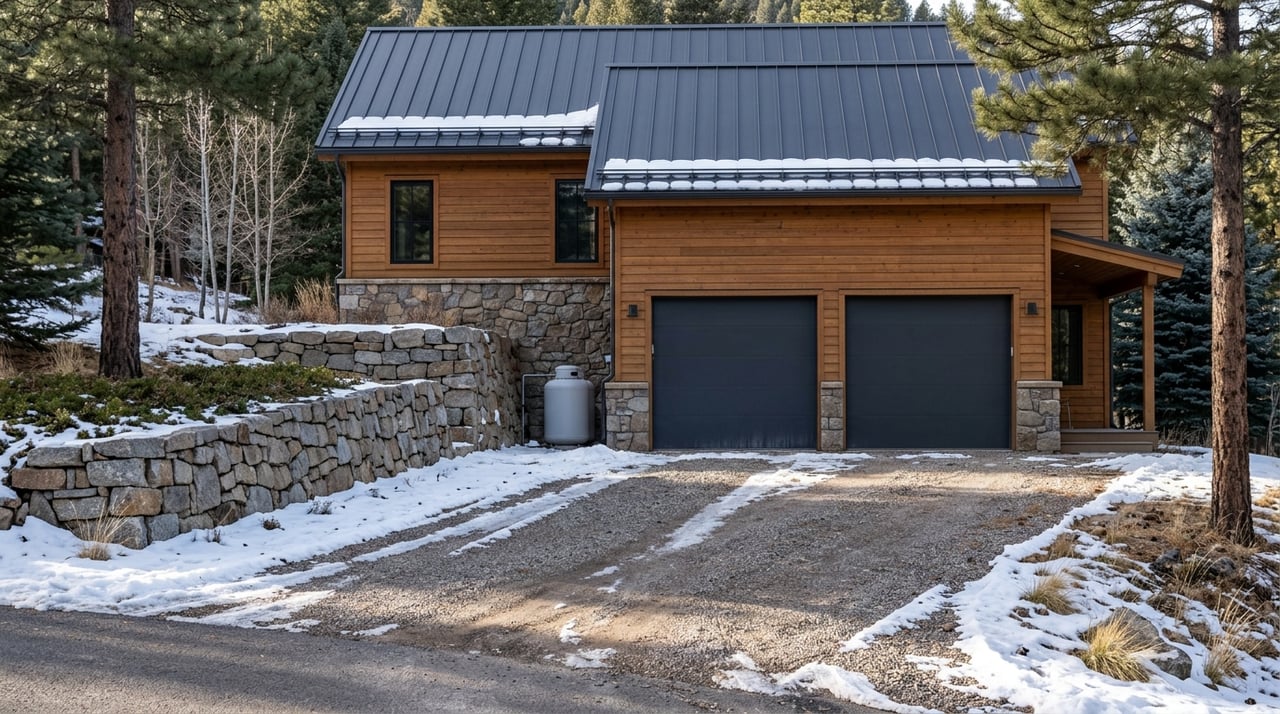
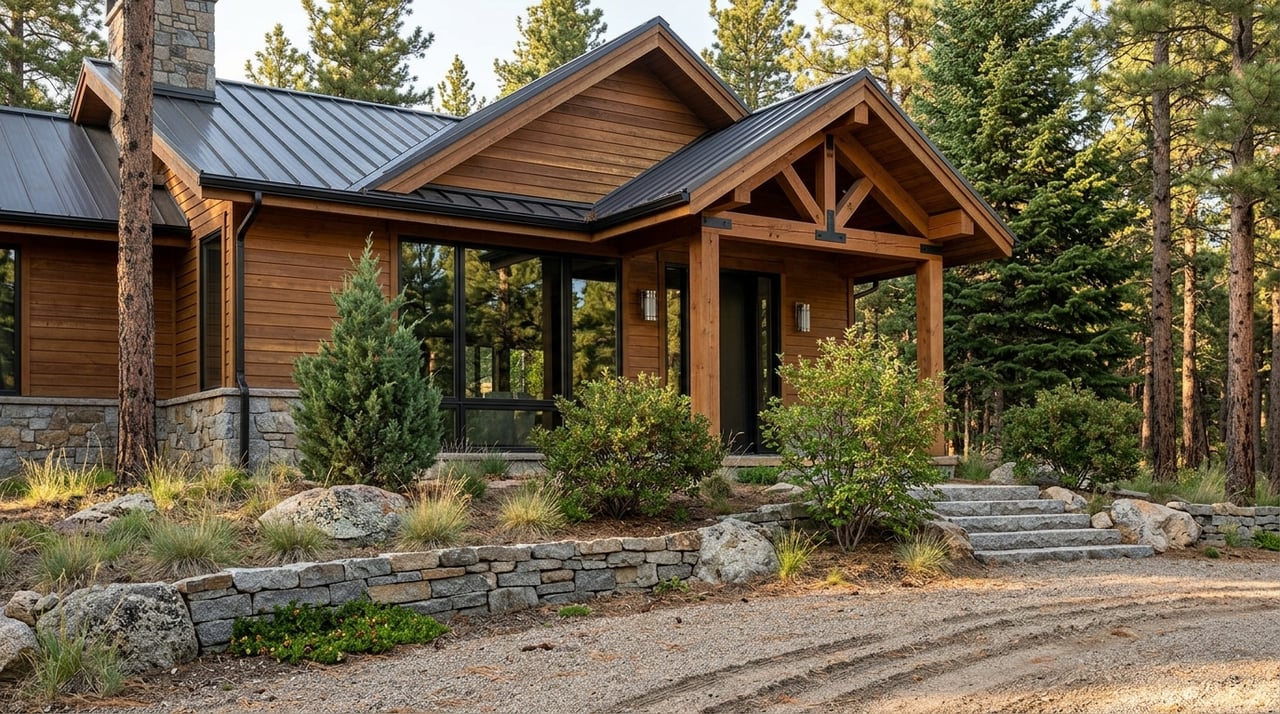
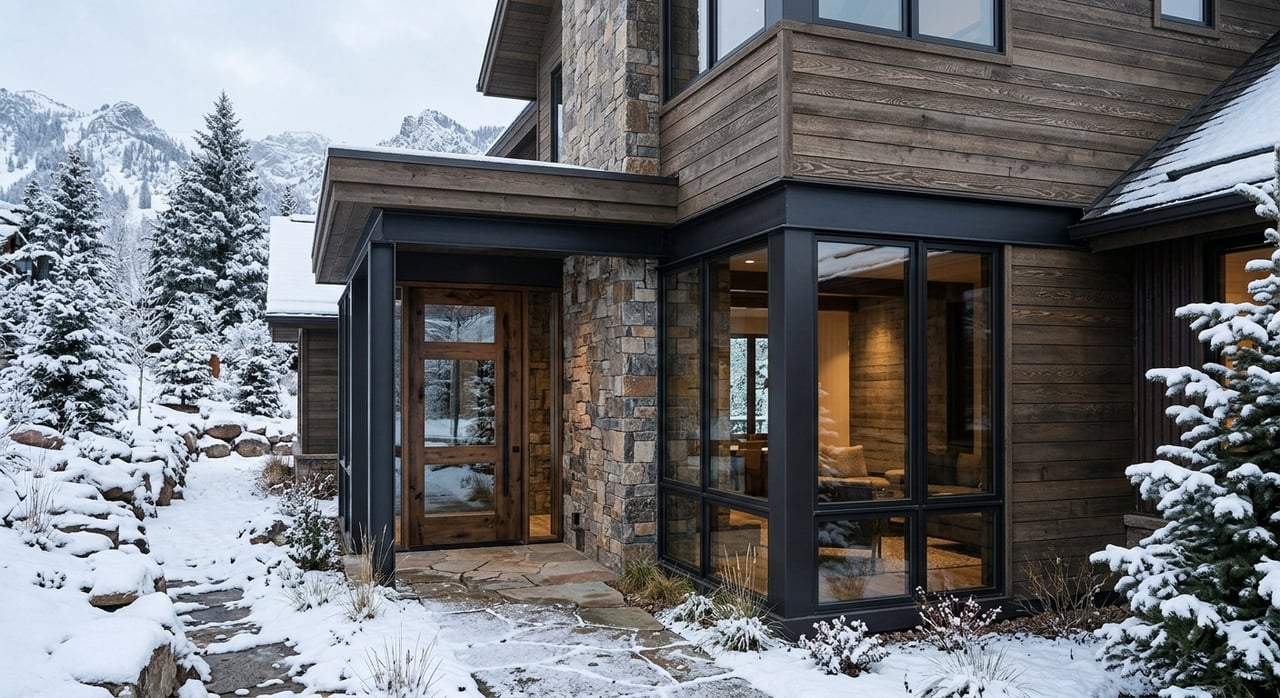
The housing stock in Boulder’s foothills tends to favor privacy, views, and land over subdivision density. Recent listing examples in areas like Sunshine Canyon and Pine Brook Hills show a range that includes contemporary homes on multiple acres, parcels with well and septic infrastructure, and properties with private access or privately maintained roads. Some homes also include features like pools, hot tubs, open floor plans, cathedral ceilings, and metal roofs.
Taken together, those examples point to a few common property types in the Boulder mountains:
In this market, the land and systems can matter just as much as the house itself. Wells, cisterns, septic systems, gravel or dirt access, and private road maintenance are part of the ownership picture for many properties.
A current Pine Brook Hills market snapshot on Realtor.com shows a median listing price around $2.68 million, along with a longer time on market than many urban neighborhoods. While every property is different, that data helps explain why Boulder foothills homes are often viewed as lifestyle purchases. Buyers are not just choosing square footage. They are choosing privacy, setting, and weekend experience.
If you are considering a mountain retreat near Boulder, the lifestyle benefits are clear. So are the practical responsibilities. The foothills ask you to think beyond finishes and floor plans.
You may need to evaluate road access, utility systems, seasonal weather, and how you plan to use the home throughout the year. A property that feels magical on a sunny afternoon should also make sense during snow, mud season, or a high-fire-risk period.
Boulder County requires wildfire mitigation for new buildings, additions, alterations, and repairs in western unincorporated areas. County guidance also emphasizes home hardening and defensible space. Those rules are rooted in local history, including the Black Tiger Fire of 1989, which destroyed 44 homes and other structures.
For buyers, that means wildfire preparedness is not a side issue. It is part of understanding the responsibilities that come with mountain ownership. When you are comparing homes, this context belongs alongside views, layout, and location.
Many foothills properties depend on systems that are less common in denser in-town neighborhoods. A home may rely on a well, cistern, septic system, or private road access. Those features are common in the mountain setting, but they deserve careful review because they affect both daily use and long-term planning.
This is where local guidance can make a big difference. Understanding how a property functions in real life is part of making a confident purchase, especially if you are buying a second home meant to feel easy and restorative.
The Boulder mountains offer something many buyers want but struggle to find elsewhere. You get a setting that feels calm, scenic, and deeply tied to the outdoors, yet you remain close to the cultural and practical benefits of Boulder. That contrast is what gives the foothills their staying power.
For some, the draw is a design-forward mountain-modern home with long views. For others, it is a cabin retreat, a larger parcel, or a place that makes hiking, skiing, and quiet weekends feel built into daily life. Either way, the value is not just in the home itself. It is in the rhythm the property supports.
If you are exploring Boulder foothills living, it helps to work with someone who understands both the lifestyle and the practical details behind it. Candace Newlove Marrs offers thoughtful, concierge-level guidance for buyers and sellers navigating Boulder’s mountain and foothills market.
Stay up to date on the latest real estate trends.
Combining decades of real estate expertise with a passion for making dreams come true, Candace simplifies the journey to discovering your ideal home.