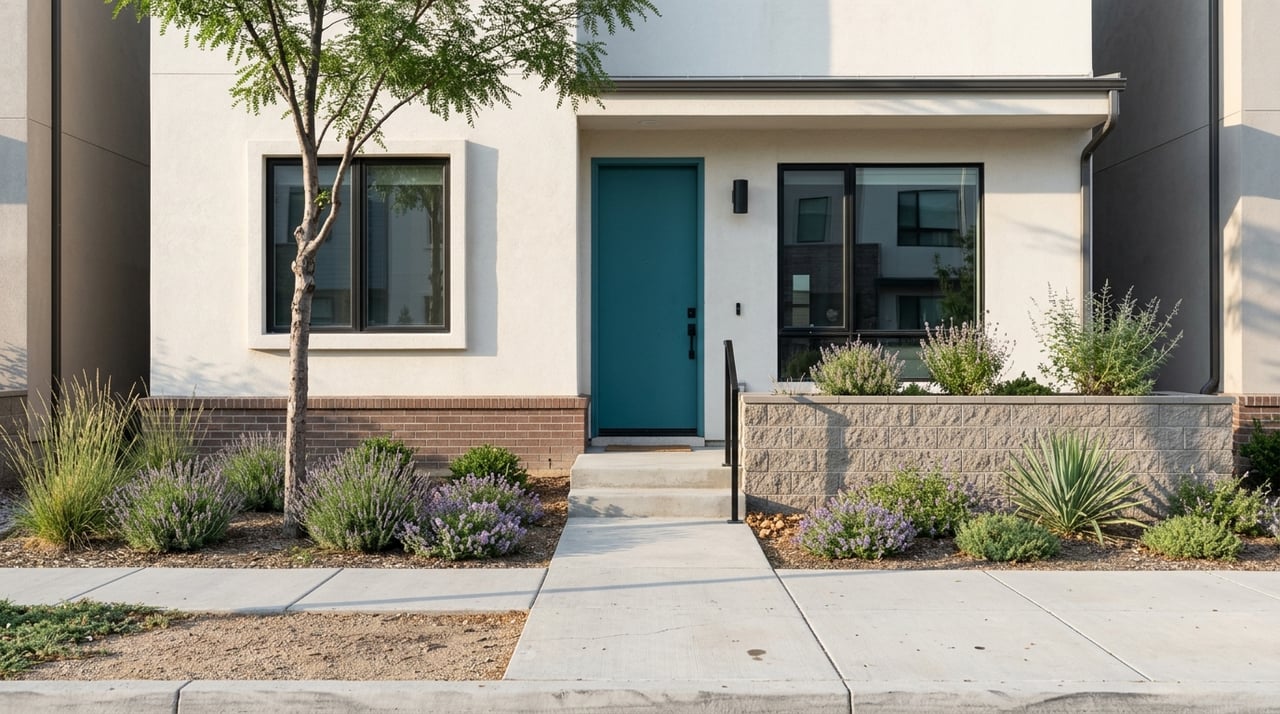
North Denver Relocation From Boulder: What to Know
May 21, 2026
May 21, 2026
If you are selling in Boulder and thinking about a move to North Denver, you are probably asking a bigger question than simple price. You want to know how the lifestyle changes, how far your sale proceeds may go, and whether the move will feel like a smart next chapter. This guide will help you compare housing, pace, walkability, and timing so you can evaluate North Denver with clear eyes. Let’s dive in.
North Denver is not one single neighborhood feel. It is better understood as a northside cluster that includes areas such as Chaffee Park, Highland, Jefferson Park, and Sunnyside, with Berkeley, LoHi, and West Highland often part of the same conversation.
According to Denver’s Near Northwest planning work, this part of the city is shaped by a longstanding community identity, with a focus on balancing preservation, compatible new construction, local businesses, and mobility improvements. For you as a Boulder seller, that means North Denver often appeals when you want a more urban day-to-day experience without giving up neighborhood character.
Selling in Boulder and buying in North Denver can create more options, but the comparison is not as simple as city versus city. Boulder and North Denver each have walkable pockets, mixed housing types, and distinct lifestyle advantages.
The bigger difference is often how those features are organized. Boulder tends to center activity around a more defined commercial core, while North Denver offers several neighborhood corridors with their own rhythm, dining scene, and housing mix.
Boulder’s city resources identify downtown and Pearl Street as a major restaurant and retail center, with Pearl Street Mall acting as a four-block pedestrian destination. North Denver works differently.
Visit Denver’s northside guide describes Highland, LoHi, Berkeley, and Sunnyside as a connected urban cluster with independent shops, galleries, breweries, and restaurants. If you move north, you are usually choosing between several walkable nodes rather than one main promenade.
Denver’s Near Northwest planning documents describe a housing mix that includes older bungalows, small duplexes, cottages, rowhomes, newer infill, and ADUs. Boulder’s planning framework also includes detached homes, townhomes, and apartments, but it notes that limited land and market pressure keep detached housing expensive.
That distinction matters if you are moving after a Boulder sale. In North Denver, you may find more variety in form and lot configuration, especially if you are open to attached housing, infill, or a smaller footprint in exchange for location and walkability.
In broad terms, it often can. As of March 2026, Boulder’s median sale price was $819,000, while Denver citywide was $630,000.
That said, North Denver is not one budget band. Some neighborhoods can feel more attainable than Boulder, while others come surprisingly close.
Here is where the submarket story matters most:
For many Boulder sellers, the takeaway is this: North Denver may offer more flexibility, but not every neighborhood will feel like a discount. Highland and Berkeley, for example, can sit near Boulder-like pricing depending on the home and location.
If your goal is to preserve as much equity as possible after a Boulder sale, North Denver may open up choices that are harder to find in Boulder citywide. If your priority is a polished, highly walkable pocket with strong urban energy, your price point may still land in familiar territory.
This is where a neighborhood-by-neighborhood review matters more than a broad city comparison. The right fit depends on whether you care most about architecture, lot size, walkability, or access to local business districts.
If you are coming from one of Boulder’s more walkable areas, North Denver has several neighborhoods that may feel familiar in convenience, though not identical in character.
Walk Score data shows strong urban performance in several northside neighborhoods, especially for daily errands and nearby amenities.
The following Walk Score ratings show why these areas are often top of mind for Boulder sellers:
Denver citywide scores 61 for walkability, 45 for transit, and 72 for biking. Boulder scores 56 for walkability, 47 for transit, and 86 for biking.
That suggests an important lifestyle tradeoff. North Denver can offer very walkable, mixed-use living, while Boulder remains stronger overall for biking. If your routine leans more toward neighborhood dining, coffee shops, and on-foot errands, North Denver may feel very comfortable.
North Denver’s strongest neighborhoods combine residential streets with access to local businesses, restaurants, and gathering spots. LoHi is known for a mix of old and ultra-modern architecture, while Tennyson Street in Berkeley is recognized for its dense restaurant and small-business scene.
If you are used to Boulder’s established centers, North Denver may feel less centralized but more varied block to block. That can be a plus if you want options and a slightly more urban pattern of daily life.
One of the most important issues is timing. A Boulder sale and a North Denver purchase may not move at the same speed.
As of March 2026, Boulder averaged 52 days on market, while Denver citywide averaged 19 days. Inside North Denver, neighborhood timing varied even more.
Here is the reported average time on market for the same period:
This tells you something important. Your move is often a sequencing problem, not a same-day swap. You may sell in one market rhythm and buy in another.
If you are selling in Boulder and targeting a faster-moving North Denver pocket like Sunnyside or Berkeley, you may need a purchase strategy that is ready early. If you are considering a slower-moving segment such as Jefferson Park, your options may allow a different pace.
Either way, the smartest approach is to think through sale timing, financing, and neighborhood targets together. That kind of planning can reduce pressure and help you make decisions from a position of confidence rather than urgency.
For many Boulder sellers, the move to North Denver is also about how everyday travel changes. RTD’s Flatiron Flyer is an 18-mile express, high-frequency bus service between downtown Denver and Boulder, and RTD serves both counties.
Denver’s Near Northwest plan also emphasizes pedestrian connections, trails, transit, and highway access. So instead of focusing only on a single drive-time estimate, it helps to ask how you want to move through your week.
If you prefer a car-light routine, some North Denver neighborhoods may support that better than others because of their walkability and transit access. If biking is central to your lifestyle, Boulder still has an edge citywide.
If your week includes regular trips between Boulder and Denver, the better question is often whether you want your new home to favor transit, local walkability, or easier highway access. That answer can shape which northside neighborhood feels most practical.
Once you have sold, or are preparing to sell, it helps to sort North Denver through a Boulder lens. Start with the lifestyle you actually want, then match that to the housing type and pace you can live with.
A few useful filters include:
For many Boulder homeowners, the biggest adjustment is not leaving one desirable market for another. It is choosing between different versions of urban living, each with its own price point, housing mix, and pace.
A move from Boulder to North Denver can make a lot of sense if you want more neighborhood variety, strong walkability in select pockets, and a wider range of housing types. It can also create meaningful financial flexibility, though that depends heavily on where you want to land.
Most of all, this move works best when you treat it as a lifestyle and timing decision at the same time. With the right strategy, you can sell well in Boulder, buy thoughtfully in North Denver, and make the transition feel intentional from start to finish.
If you are weighing a move after selling in Boulder, Candace Newlove Marrs offers a thoughtful, high-touch approach grounded in valuation insight, financing fluency, and personalized guidance.
Stay up to date on the latest real estate trends.
Combining decades of real estate expertise with a passion for making dreams come true, Candace simplifies the journey to discovering your ideal home.