Moving From Boulder to North Denver With a Clear Plan
July 16, 2026
July 16, 2026
If you are selling in Boulder and hoping to land in North Denver, the biggest challenge is often not finding a home. It is lining up two very different timelines without putting your equity or peace of mind at risk. With Boulder homes generally taking longer to sell and many North Denver homes moving faster, you need a plan that is both flexible and precise. This guide will help you understand the market, the housing stock, and the transaction decisions that matter most. Let’s dive in.
A Boulder-to-North Denver move is not just a change of address. It is also a shift between two markets with different pace, pricing, and housing types. That means the timing that worked for your last move may not fit this one.
Current market snapshots show Boulder at a median sale price of $854,489 with about 50 days on market, compared with Denver at $634,620 and 18 days. In representative North Denver ZIP codes, 80211 was around $804,761 with 14 days on market, while 80212 was around $783,942 with 16 days. For you, that may mean your next purchase can come together faster than your Boulder sale.
Metro-wide data adds more context. Active inventory has been near decade highs, buyers have had more negotiating power, detached homes have spent a median of 14 days in MLS, attached homes 34 days, and close-price-to-list-price ratios have stayed near 99 percent. This is not an ultra-competitive frenzy, but homes that are well prepared still tend to perform better than properties that need more work.
North Denver is best understood as a group of near-northwest and northwest neighborhoods rather than one single, uniform submarket. Planning and historic survey sources commonly group areas such as Highland, West Highland, Chaffee Park, Berkeley, Sloan Lake, Sunnyside, and Jefferson Park into this broader area.
That matters because your experience can vary a lot from one block to the next. Lot sizes, housing style, parking setup, renovation level, and even the feel of the streetscape may shift quickly within a short drive. When you are moving from Boulder, it helps to look at North Denver as a collection of micro-markets rather than one simple destination.
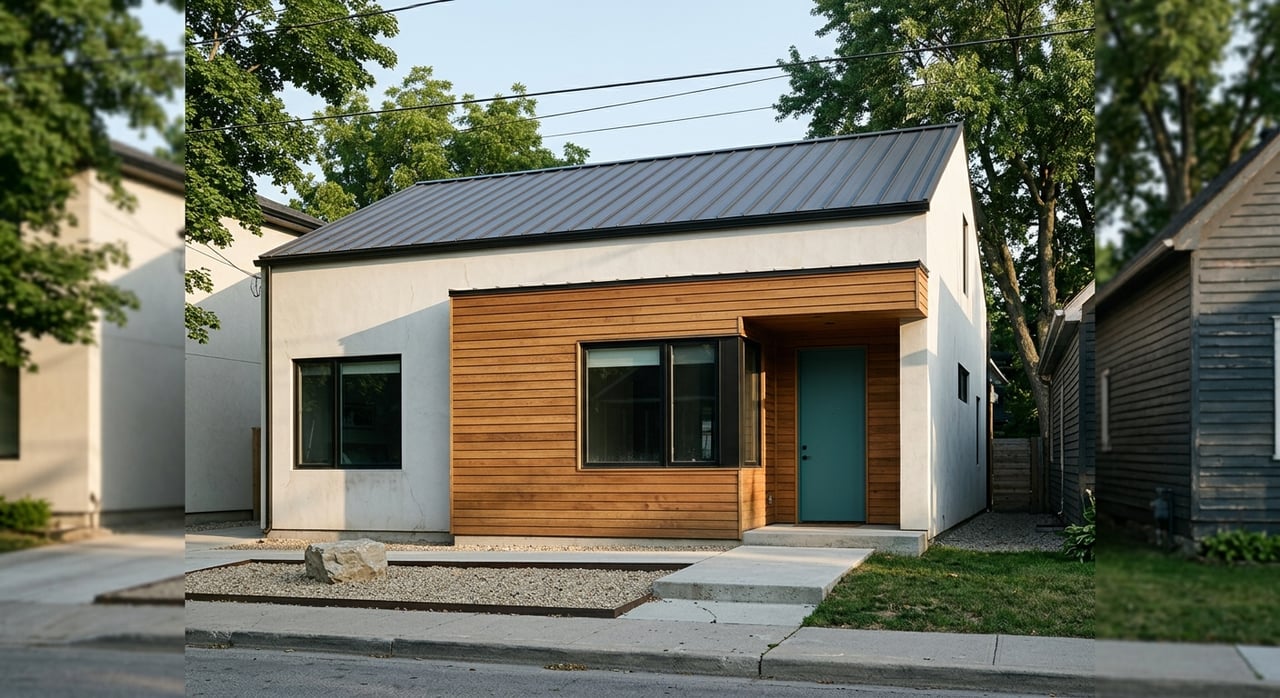
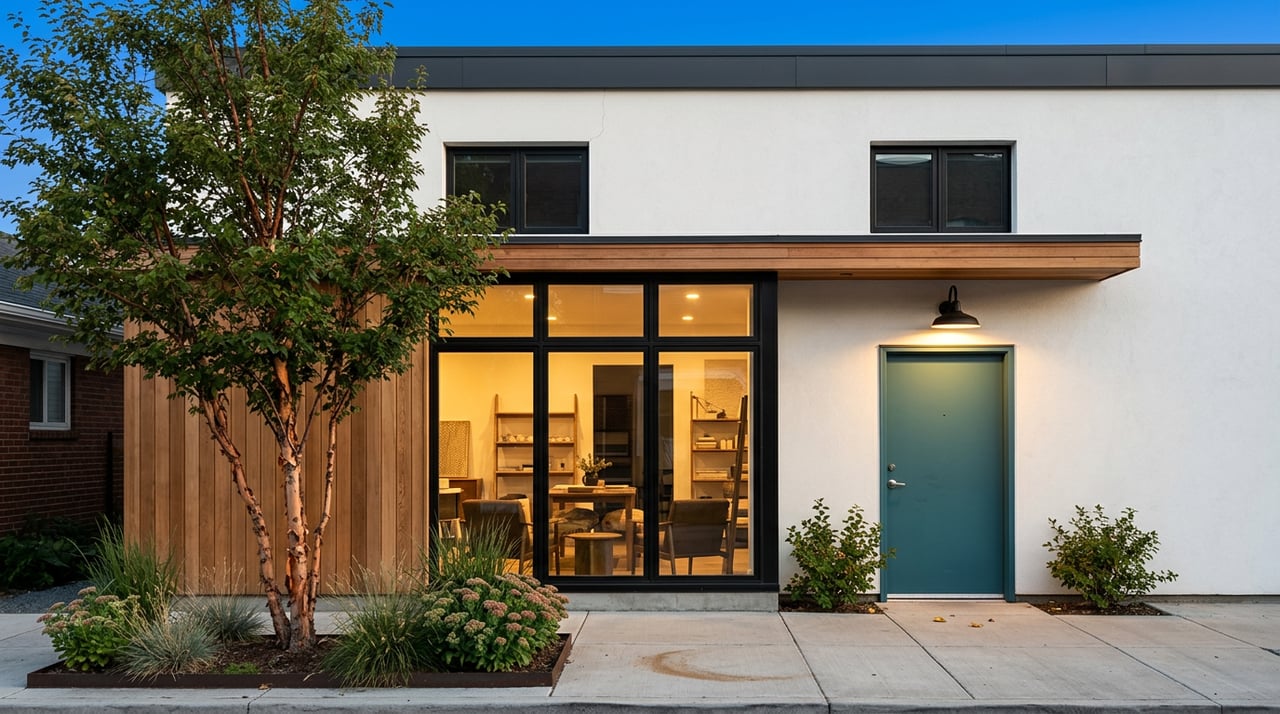
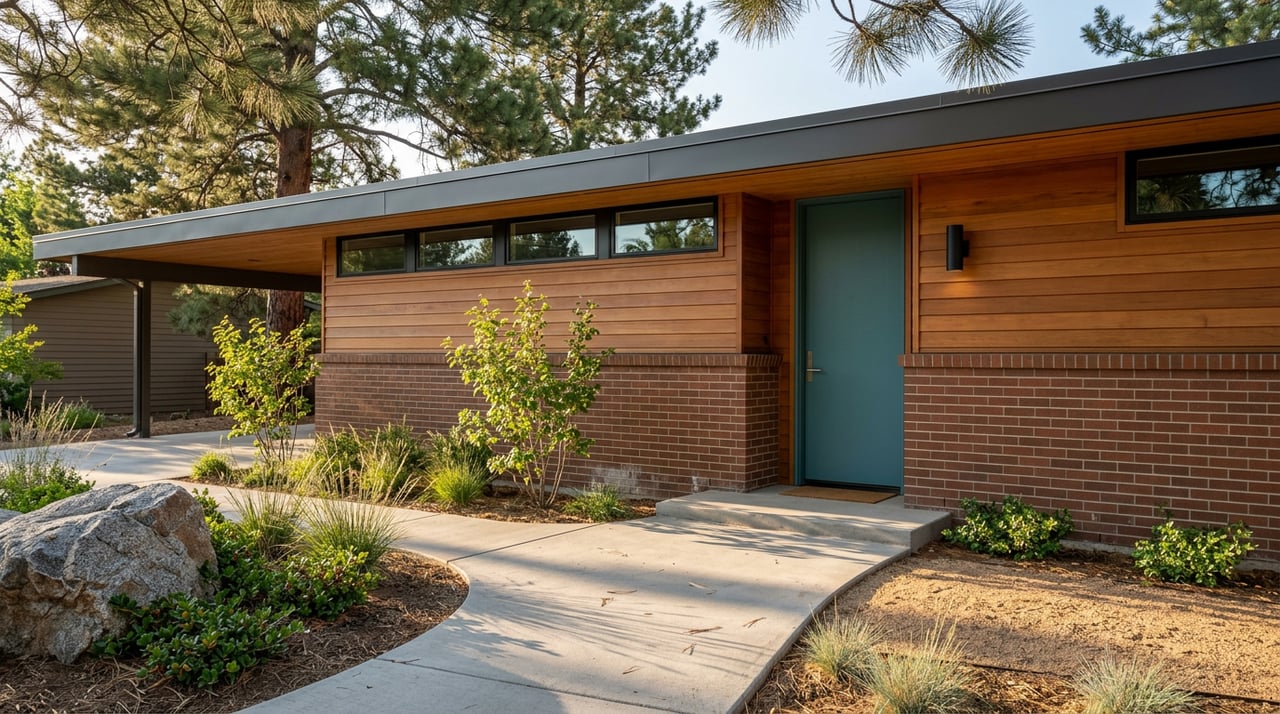
One of the biggest adjustments for Boulder sellers is the housing mix. North Denver generally offers a more urban blend of older homes, attached housing, and infill development. You may see classic cottages, bungalows, mid-century ranches, rowhomes, townhomes, condos, and newer multi-unit projects all within the same broader area.
Historic surveys of Jefferson Park describe cottages built mainly from 1900 to 1915, bungalows from the late 1910s to early 1930s, and ranch homes from the 1950s and 1960s. In Sunnyside, more than 75 percent of single-unit homes were built between 1910 and 1969, with more multi-unit construction since 2010. In practical terms, many buyers moving from Boulder will be weighing character and location against lot size, storage, privacy, and maintenance needs.
North Denver homes often come with smaller lots and a more compact layout than many Boulder properties. You may also run into alley access, detached or attached garages, and homes that share walls or sit in HOA-managed communities.
That changes your checklist. A smaller lot may mean less exterior maintenance, but it can also affect outdoor living, parking, and future expansion. If your Boulder home gave you more breathing room, it is smart to decide early which tradeoffs feel worth it.
Older urban housing can be appealing for its architecture and location, but it usually calls for more careful due diligence. A general home inspection is important, and additional inspections such as a sewer scope or structural review may be worth considering depending on the property.
This matters in North Denver because many homes were built decades ago. Buyers are often evaluating the remaining life and condition of roofs, furnaces, plumbing, electrical systems, and other major components before they commit. A polished kitchen or updated bath does not replace a full understanding of the home’s systems.
If you are considering a condo, townhome, or other attached property, the building deserves as much attention as the unit itself. Colorado guidance recommends reviewing HOA governing documents, financial statements, meeting minutes, budgets, insurance, and any signs of special assessments.
That review can help you understand both monthly costs and future risk. In attached communities, common-element insurance and the financial health of the association can have a real effect on your ownership experience. This is especially important if you are comparing attached options to a detached home where you would control more of the maintenance decisions directly.
Many North Denver buyers are drawn to homes with future potential. You may see a bungalow that looks like a candidate for an addition, a garage setup that raises ADU questions, or a home where exterior changes seem straightforward.
Before you assume a project will work, verify the zoning and permit path. Denver reviews residential projects against building, fire, zoning, and related regulations, and project requirements can vary by property. It is always better to confirm what is possible before you price a home based on future plans.
The cleanest Boulder-to-North Denver move usually starts with preparation on the Boulder side. Because Colorado contracts are written, legally binding, and built around deadlines, the sequence of events matters more than many buyers and sellers expect.
A Colorado sales contract normally addresses the closing date, possession, earnest money, financing, title, inspection, and contingency clauses. It can also address a buyer’s need to sell an existing property before purchasing the next one. If you expect your Boulder equity to help fund your North Denver purchase, that contract structure becomes one of the most important parts of your strategy.
When one market is slower and the other can move quickly, preparation usually creates the most options. Getting your Boulder home ready for market first can help you understand pricing, likely timing, and how soon your equity may be available.
This does not always mean you must wait to shop. It does mean you should avoid entering the Denver side without a clear picture of your Boulder sale plan. In many cases, the strongest path is to prepare the listing, understand your likely timing, and then move quickly when the right North Denver property appears.
Financing is not just a checkbox in a two-home transition. It is one of the tools that gives you flexibility. Colorado guidance recommends contacting more than one lender to compare loan programs, fees, and rates, and a preapproval letter can make your offer easier to write quickly and more credible to a seller.
For a Boulder seller buying in North Denver, preapproval does not solve timing by itself. What it does is help you act fast when the right opportunity appears. That can be especially useful in neighborhoods where updated homes move quickly.
A major decision in this move is how much timing risk you can tolerate. If your Boulder home is not yet under contract when your North Denver purchase is ready to close, you need a clear plan for what happens next.
Some buyers are comfortable making an offer that depends on selling their current home. Others prefer temporary housing, or they choose to wait until the Boulder sale is further along. The right answer depends on your finances, your tolerance for uncertainty, and how competitive the specific Denver property is.
If the two closings overlap, temporary financing can sometimes bridge the gap. Options such as a HELOC or a short-term bridge or swing loan may reduce pressure, but they also change your risk profile.
Because these tools are secured by your equity or designed for short-term use, the costs and repayment plan should be fully understood before you rely on them. They can be helpful in the right situation, but they are not a substitute for a thoughtful timeline. A careful financing review is essential before adding this layer to your move.
When you are bringing Boulder equity into a North Denver purchase, protecting that equity should be a top priority. That means looking beyond the listing photos and focusing on the documents and conditions that affect long-term value.
Title review is one of the most important parts of the process. Title insurance can help uncover liens, easements, covenants, HOA issues, and other restrictions, and you should review the title commitment carefully. For attached homes or properties in common-interest communities, that document review should be paired with a close look at HOA materials and insurance.
For many Boulder sellers, the most workable strategy is simple in concept even if it takes discipline in execution. Prepare your Boulder home first, line up financing early, and treat the North Denver purchase as a transaction that may move quickly but requires careful document review.
That approach helps you stay ready without becoming rushed. It also keeps your focus on the two goals that matter most: preserving the value you built in Boulder and making a confident purchase decision in North Denver.
If you are considering this move and want a more tailored plan for timing, pricing, and purchase strategy, Candace Newlove Marrs offers the kind of high-touch, experienced guidance that can help you move from Boulder to North Denver with more clarity and less stress.
Stay up to date on the latest real estate trends.

Combining decades of real estate expertise with a passion for making dreams come true, Candace simplifies the journey to discovering your ideal home.