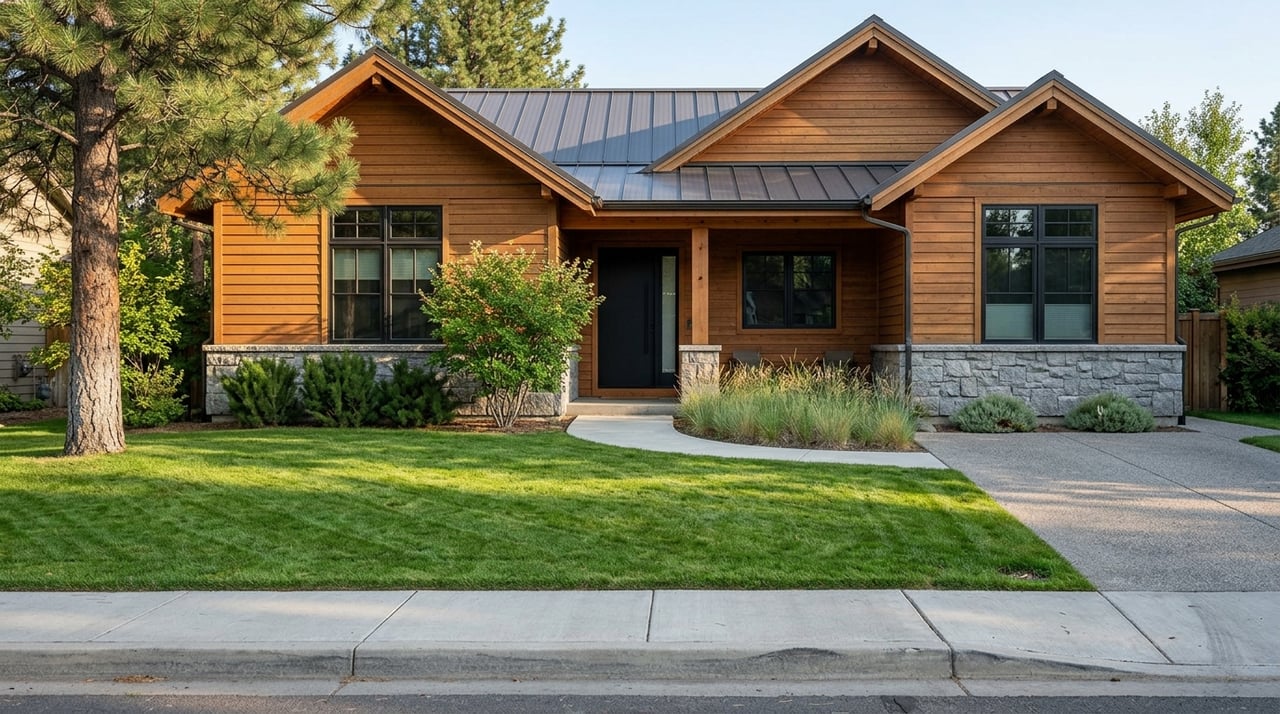
A Louisville Home Marketing Strategy for Boulder Buyers
July 9, 2026
July 9, 2026
If you want Boulder buyers to notice your Louisville home, being merely "nice" is not enough. These buyers are often comparing your property to Boulder options that carry a higher price tag but also a strong lifestyle identity. The good news is that Louisville has a compelling story to tell, and when your home is positioned well, that story can translate into real buyer interest. In this guide, you’ll learn how to price, prepare, and present your Louisville home in a way that speaks directly to Boulder-minded buyers. Let’s dive in.
Louisville should not be marketed as a bargain version of Boulder. Current Zillow data shows Louisville’s average home value at $840,371 compared with Boulder at $971,332, and Louisville’s median sale price at $847,500 versus $955,000 in Boulder. That places Louisville roughly 13.5% below Boulder by average home value and about 11.3% below Boulder by median sale price.
That gap matters, but so does the bigger picture. Louisville offers a Boulder-adjacent lifestyle with a more favorable price point, not a stripped-down alternative. Buyers who are already looking in Boulder may see Louisville as a place where they can still enjoy outdoor access, walkability, and thoughtful design while getting more value.
Market pace also supports this positioning. Zillow reports Louisville homes going pending in about 9 days, compared with 26 days in Boulder. At the county level, Boulder County’s March 2026 CAR and ShowingTime report showed a median sales price of $818,360, 97.7% of list price received, and 2.5 months of supply, which points to a market where strong presentation and accurate pricing still matter.
When Boulder buyers open a listing, they are often asking a quiet but important question: why this home instead of staying in Boulder? Your listing should answer that quickly and clearly. The strongest answer is usually about daily life, not just features.
Louisville has many of the cues Boulder buyers already value. The city reports about 32 miles of trails, around 2,000 acres of open lands, and a trail system that connects open space with neighborhoods and commercial areas. Historic Downtown Louisville is an 8-block pedestrian-focused mixed-use center with restaurants, coffee shops, boutique retail, and office uses.
That means your home should be presented as part of an established, amenity-rich community. Instead of relying on generic phrases, show how the property fits into an easy rhythm of outdoor access, downtown convenience, and comfortable living. Buyers are often drawn to a lifestyle they can picture right away.
Some upgrades carry more weight than others with Boulder-area buyers. If your home includes details that support outdoor living, efficient systems, or low-friction daily routines, those features should move to the top of your marketing message.
Boulder’s planning priorities help explain why. The city’s Climate Action Plan focuses on reducing carbon pollution, resilience, and clean, connected mobility. Boulder also reports more than 300 miles of bikeway, while Open Space and Mountain Parks notes 162 miles of trails, 37 trailheads, and 76 access points.
In practical terms, buyers may respond strongly to features like:
These details help a home feel aligned with how many Boulder buyers want to live. They also give your listing a more specific and credible identity.
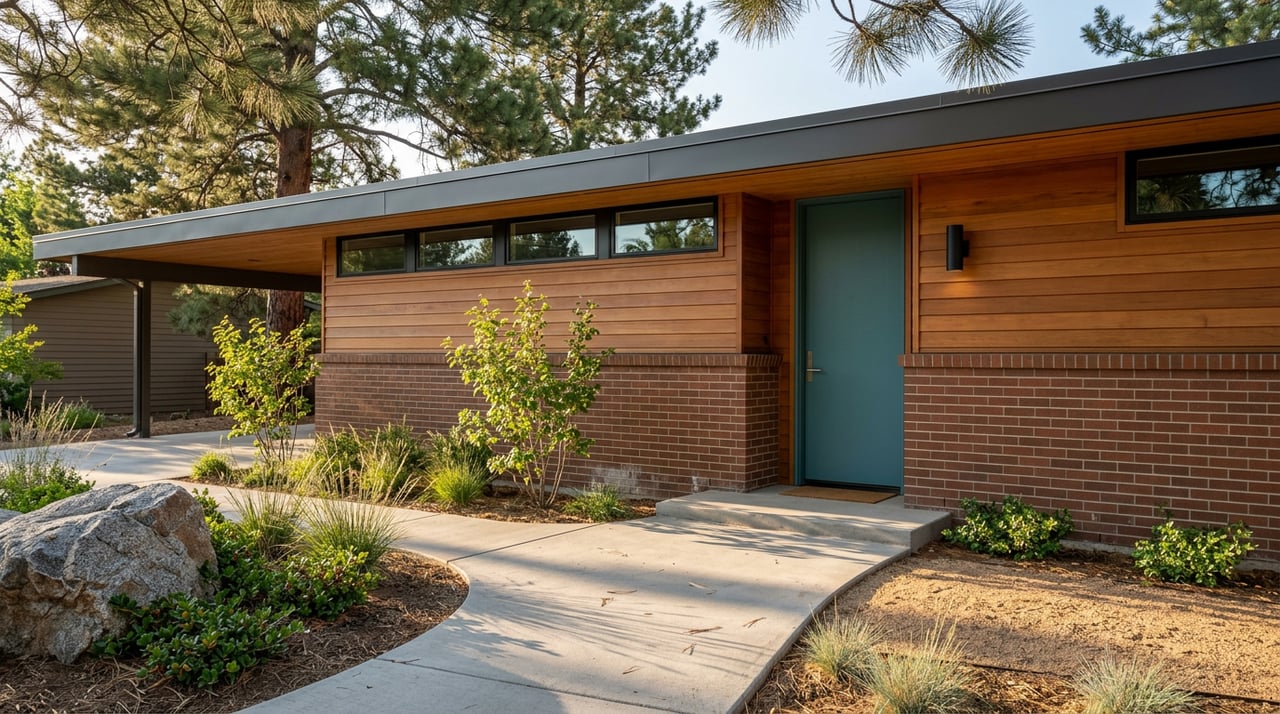
If your Louisville home is older, resist the urge to make it look overly generic. Louisville’s historic preservation program recognizes more than 69 local landmarks and treats architectural significance as part of community identity. That context matters because buyers drawn to Boulder and Louisville often appreciate authenticity and design character.
Instead of covering original details with trend-heavy staging, aim to clarify what makes the home special. That could mean highlighting original trim, emphasizing natural light, or using furnishings that support the home’s proportions and style. The goal is to help buyers see character as an asset, not as something that needs to be hidden.
Warm, edited spaces usually perform better than cluttered or overly themed ones. If the home has historic charm, let it read clearly and confidently.
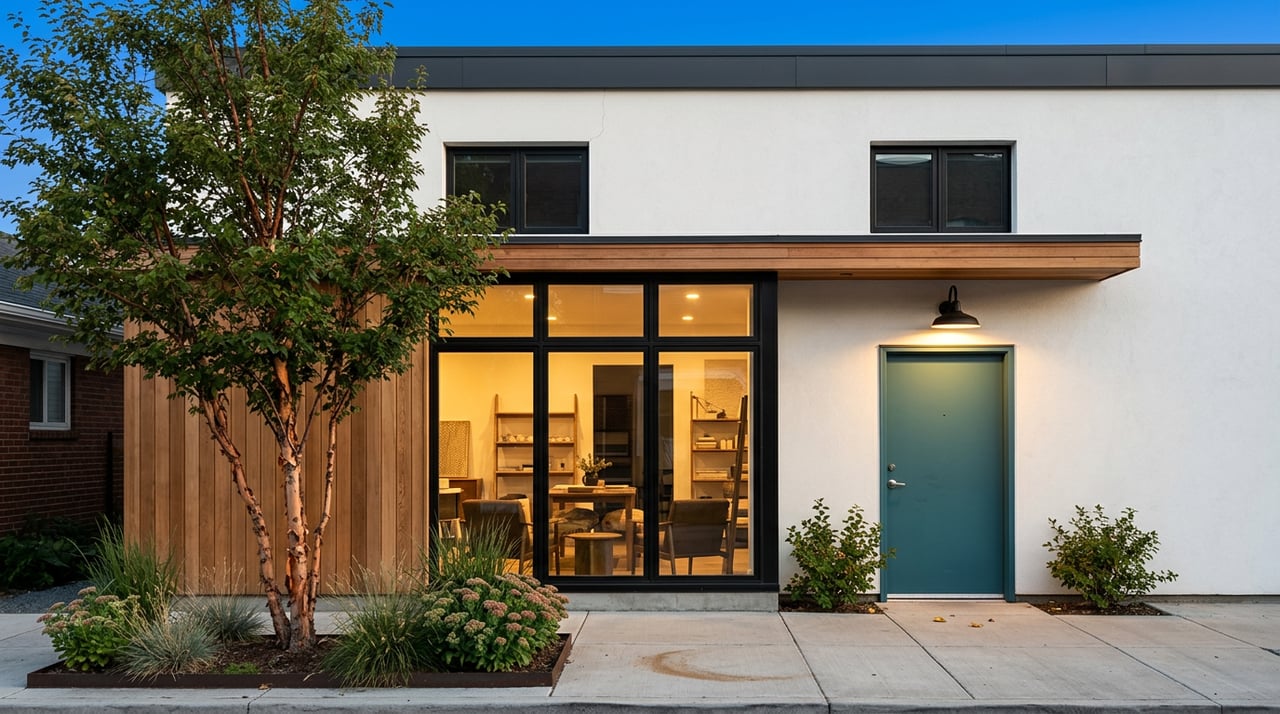
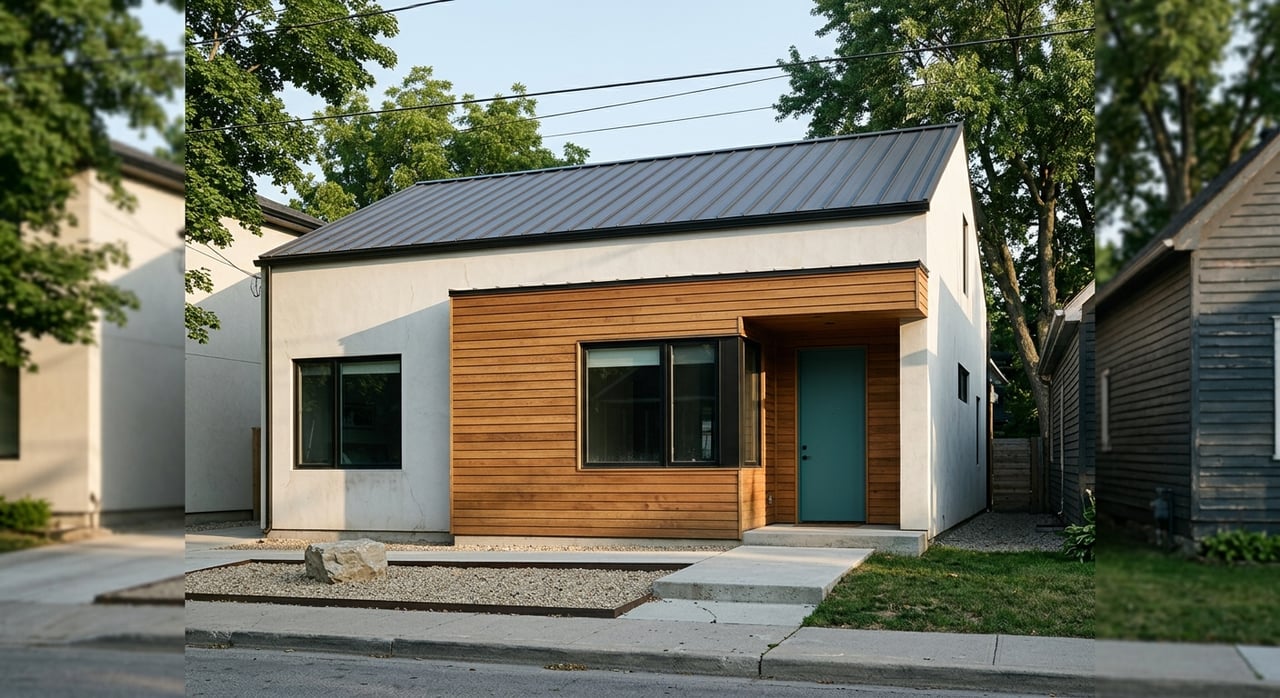
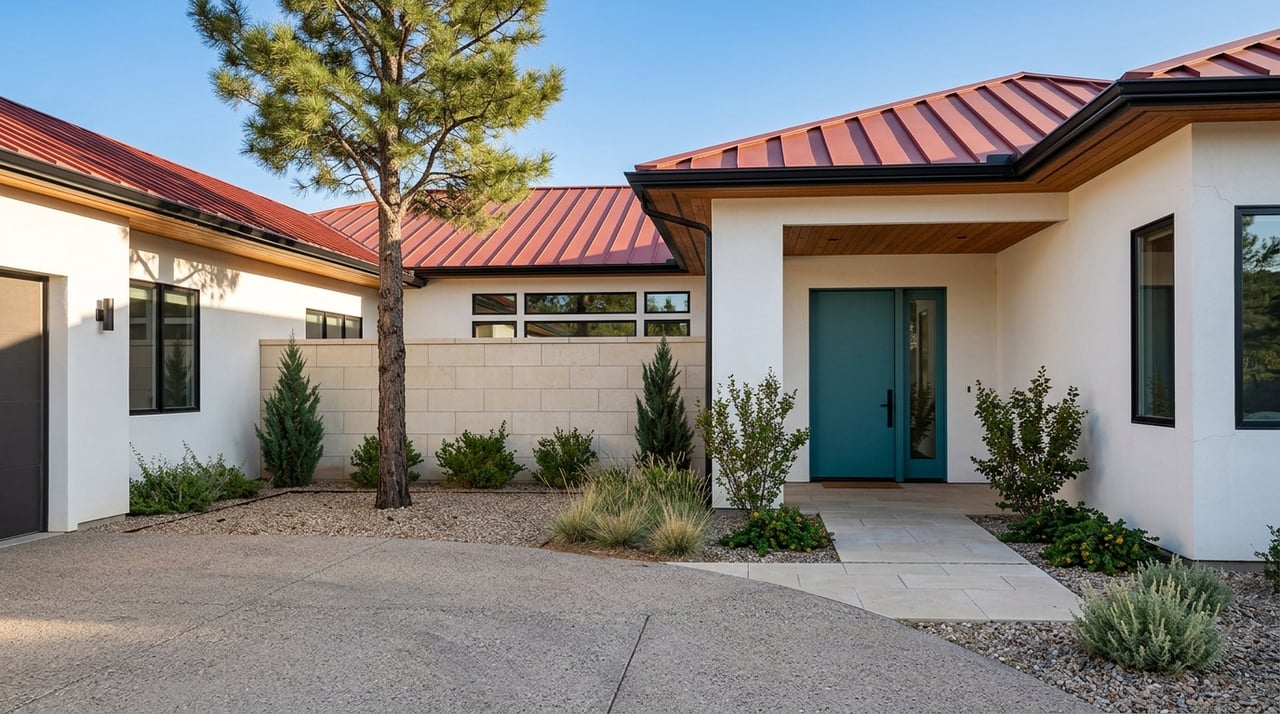
For newer Louisville homes, the same principle applies in a different way. Boulder buyers often respond to design-forward presentation that feels calm, clean, and intentional. You do not need flashy staging to create that effect.
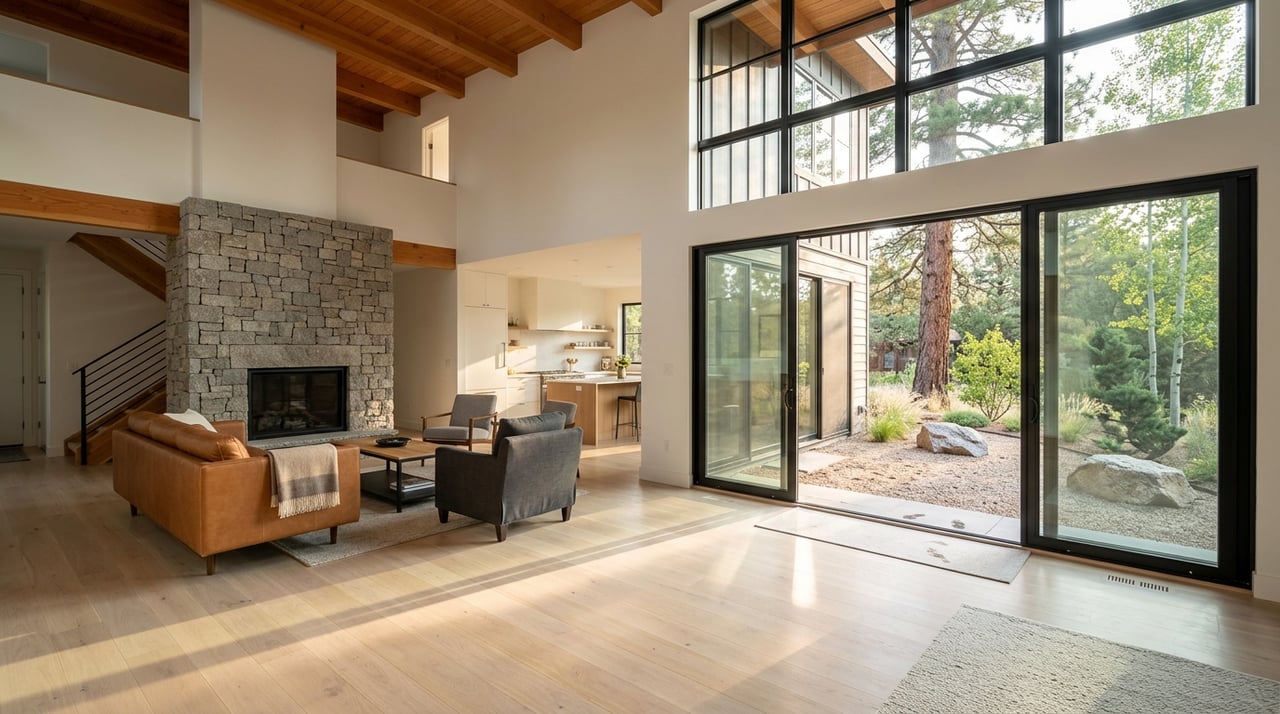
Focus on clear sightlines, restrained color palettes, and enough open space for light and scale to come through. If your home has strong indoor-outdoor flow, make that part of the visual story. A polished, modern presentation can help the home feel current and easy to live in.
This is especially important in photos. Buyers scrolling listings make fast decisions, and spaces that feel bright, composed, and thoughtfully styled often stand out first.
Outdoor space should never feel like an afterthought in a Louisville listing aimed at Boulder buyers. Louisville’s open-space network is designed to connect residents to recreation and support mental and physical well-being. The city also notes that open lands create visual buffers between Louisville and neighboring municipalities.
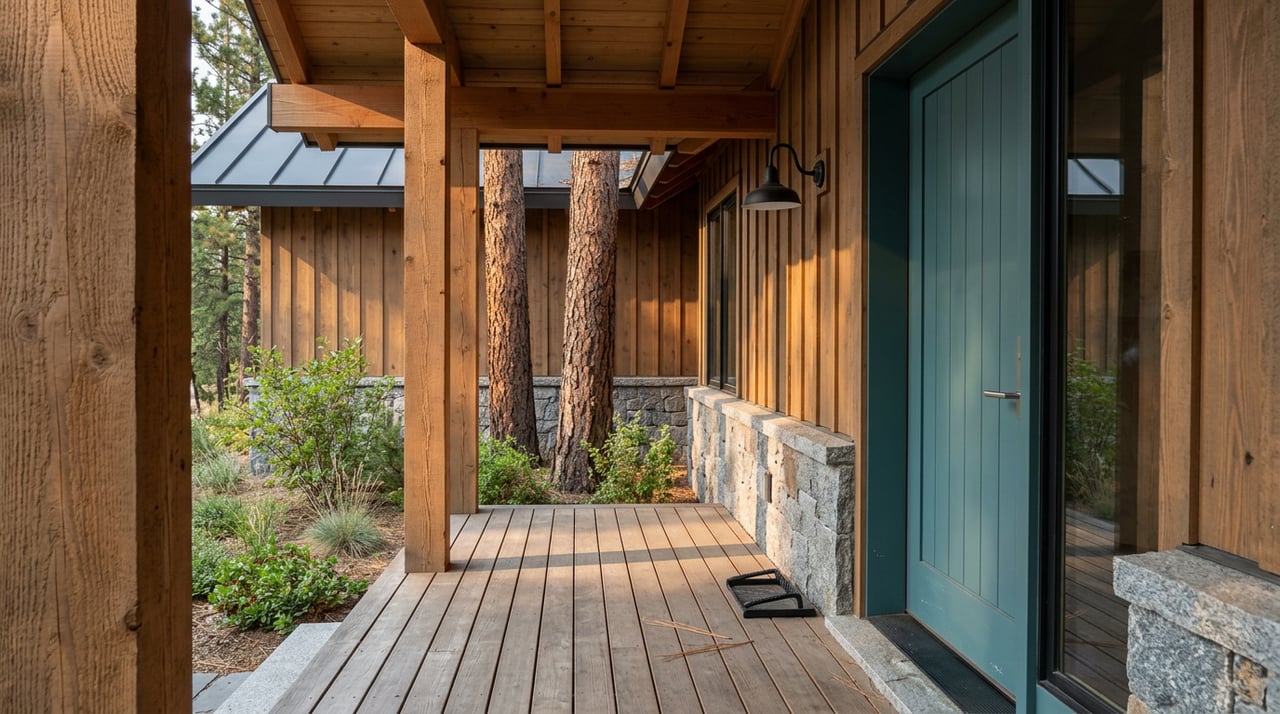
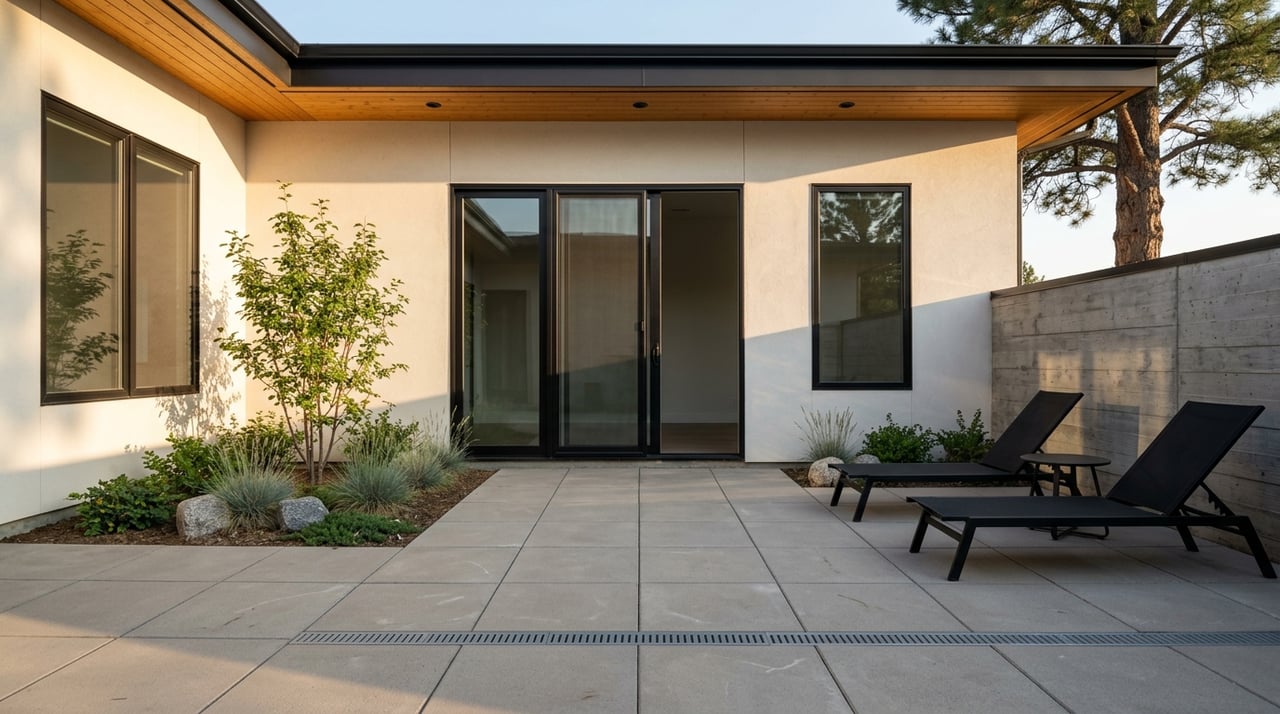
That means even simple outdoor features can carry strong appeal when they are presented well. A patio set for conversation, a deck arranged for dining, or a tidy yard with low-maintenance landscaping can help buyers connect the property to the broader Louisville lifestyle.
In your listing story and showing preparation, frame outdoor areas as part of daily living. Think morning coffee outside, easy trail access, a place to store bikes and gear, or a comfortable setup for casual entertaining. Those details can make the home feel more complete.
One of the most important seller questions is how to price relative to Boulder, not just Louisville. Since many likely buyers are comparing your home to Boulder alternatives, pricing should reflect that broader decision set.
The research suggests Louisville works best as a premium-value play. In other words, you are not trying to sell a discount product. You are showing buyers that they can access many of the lifestyle benefits they want, often at a more attainable price than in Boulder.
That still requires discipline. Homes may move quickly in Louisville, but pricing precision matters in a market where buyers are informed and comparison shopping is intense. A polished home that is priced thoughtfully has a better chance of attracting serious attention early.
The order of your marketing message matters. Buyers should understand the most compelling points first, before they get into the finer details.
A strong feature hierarchy usually starts with these three ideas:
That means your headline and first listing lines should not bury the lead. Trail access, downtown proximity, open space, outdoor living, preservation details, updated kitchens, efficient systems, and flexible entertaining areas often deserve priority over broad adjectives like charming or stunning.
Concrete language tends to do a better job of earning trust. It helps buyers picture the home and understand why it stands apart.
A common mistake is marketing a Louisville home in language that could apply anywhere. That approach often misses the very qualities that make Louisville attractive to Boulder buyers in the first place.
Louisville’s updated Comprehensive Plan, adopted March 24, 2026, sets a 20-year framework for housing, transportation, economic vitality, infrastructure, and preservation of natural, historic, and cultural assets. The city also states that housing costs have vastly outpaced incomes, which reinforces that this is a community with real demand and a strong identity.
For sellers, that means the home should be framed as part of a mature, established place with substance. Buyers are more likely to connect with a story about neighborhood access, community design, and everyday livability than with generic suburban buzzwords.
Your listing should feel curated, not crowded. It should make buyers feel that the home is easy to understand, easy to imagine living in, and clearly connected to the Louisville lifestyle.
That does not require exaggeration. It requires focus. Strong visual presentation, thoughtful staging, and clear copy can help a buyer see your home as distinctive instead of interchangeable.
For many Boulder buyers, the appeal of Louisville is not just price. It is the combination of outdoor access, downtown energy, visual character, and a more relaxed day-to-day setting. When your home reflects that mix, your marketing becomes much more persuasive.
If you’re preparing to sell and want a strategy that reflects both market reality and lifestyle value, Candace Newlove Marrs offers a boutique, design-forward approach to pricing, presentation, and marketing.
Stay up to date on the latest real estate trends.
Combining decades of real estate expertise with a passion for making dreams come true, Candace simplifies the journey to discovering your ideal home.