Thinking about selling in Longmont and wondering how to capture Boulder-area demand? You’re not alone. Many Boulder buyers look east for more space, a larger lot, and a better price per square foot while staying close to employers, trails, and lifestyle amenities. In this guide, you’ll learn how to price and present your Longmont home so it stands out to that audience and maximizes your net. Let’s dive in.
Understand Boulder-area buyers
Boulder spillover buyers value the outdoors, design, and function. They often want turnkey or light-update homes and will pay more for quality finishes and efficient systems. Many work in tech, education, or creative fields, and some need hybrid or remote workspaces.
Commute matters. Proximity to CO-119, US-287, and Highway 66 is a plus, along with predictable drive times and access to park-and-ride or express bus options. If your location offers a smoother route to Boulder, that can become a meaningful pricing and marketing lever.
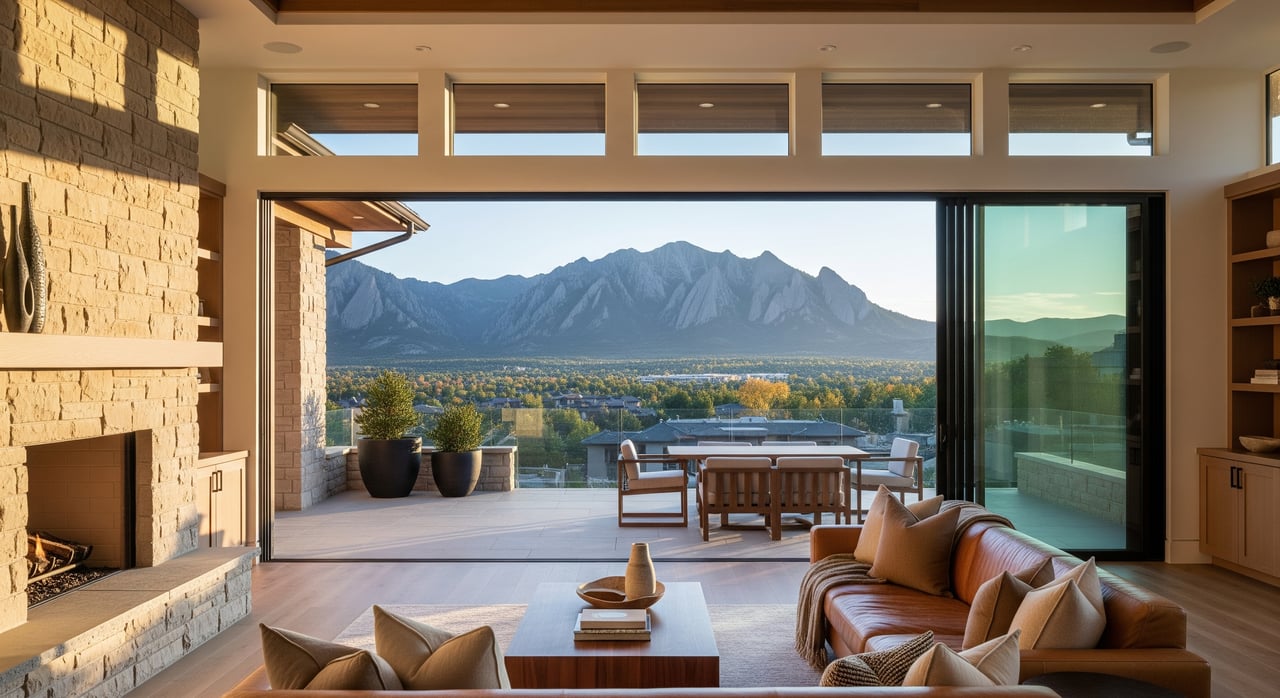
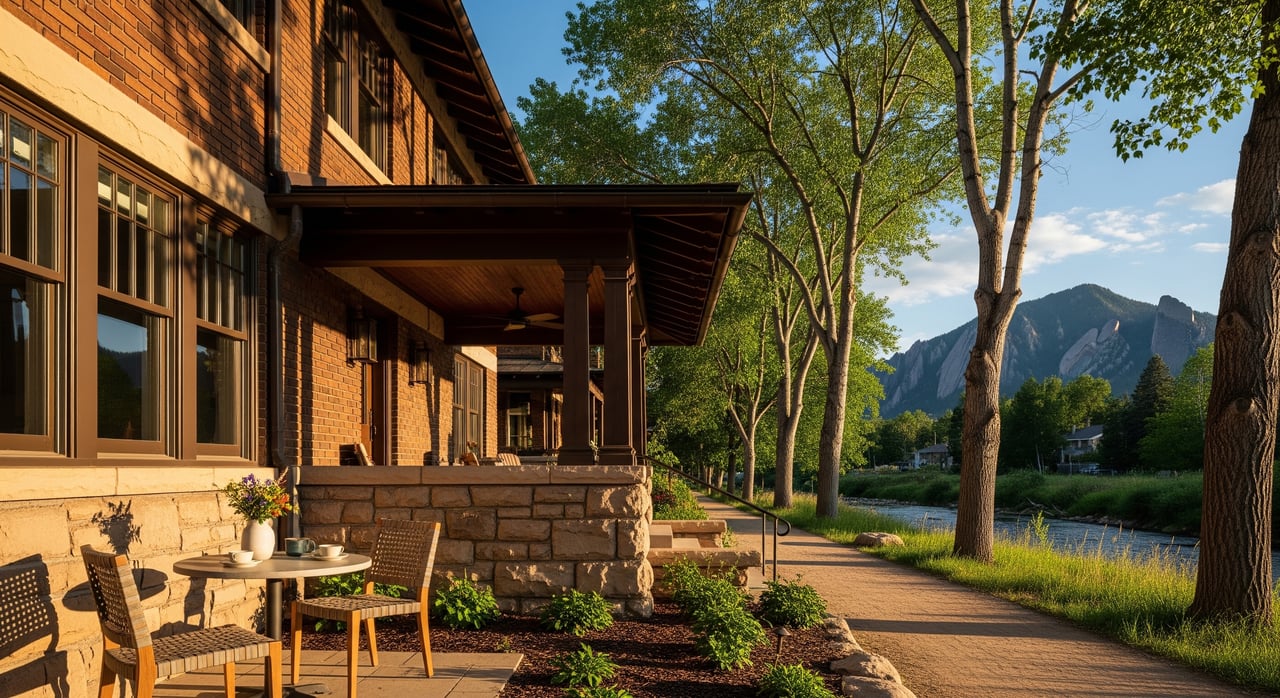
Outdoor living is a priority. Larger lots, south-facing yards, privacy, and usable decks or patios are compelling. Mountain views or direct trail access can further increase appeal, especially near the St. Vrain Greenway or Sandstone Ranch area.
Build a smart comp set
Your goal is to price for Longmont while understanding the Boulder buyer’s comparison points. Start with recent closed sales in your micro-market. Use 90 days when possible so you capture current buyer behavior and seasonality.
Round out the set with active and pending listings that compete for the same buyers. These show what your listing will go up against right now, and how your home’s features stack up.
Consider a limited cross-market lens. Add one or two relevant Boulder listings or sales that align on bedroom count and premium features. This helps you understand what Boulder buyers expect at a given price, but use these carefully so you do not over-anchor your price to Boulder standards.
Comp priorities to weigh
- Condition and layout: updated kitchen and baths, open living, finished lower level.
- Lot and orientation: usable backyard, privacy, south-facing exposure, views.
- Commute convenience: time and route to Boulder employment centers.
- Age and systems: roof, HVAC, windows, insulation, and energy features.
- School attendance zones and nearby amenities: present neutrally and factually.
Use both price per finished square foot and feature-based adjustments. Price per square foot alone can mislead when lots, finish quality, and functionality differ.
Make the right adjustments
Adjustments should reflect what Boulder-area buyers value at your price point. Build a simple worksheet and apply it consistently across comps.
- Condition and remodel level: a renovated kitchen or bath usually merits an upward adjustment compared to dated finishes; the reverse is true if your home needs updates.
- Finished lower level: clarify whether lower-level square footage is counted as finished in the MLS and keep that consistent. Additional living space often resonates with Boulder buyers who want flex rooms.
- Outdoor living and lot utility: private yards, covered patios, decks, gardens, and usable south exposure are strong influencers.
- Commute premium: quicker, more predictable routes to Boulder can support pricing strength.
- Views and trail access: mountain sightlines or direct access to trail systems can justify a premium.
- Parking and EV readiness: garages, storage, and EV charger capability are increasingly important.
- HOA and covenants: fees and restrictions can affect appeal; make sure your comp set reflects similar HOA conditions.
Document each adjustment and your rationale. This clarity helps you defend price with buyers and appraisers.
Position by Longmont micro-markets
Different parts of Longmont speak to Boulder buyers in different ways. Align your pricing story with your neighborhood’s strengths.
Old Town Longmont
- Appeal: walkability, restaurants, breweries, events, and historic character.
- Narrative: Old Town lifestyle at a lower price than Boulder’s walkable enclaves.
North Longmont and near CO-119
- Appeal: quick access to Boulder, newer subdivisions, and larger lots.
- Narrative: Short commute to Boulder with room to expand.
South Longmont and master-planned areas
- Appeal: larger modern homes, family amenities, and functional floor plans.
- Narrative: Modern layouts and yards for households that need space.
Trails and open space corridors
- Appeal: direct access to bike paths, river corridor, and open space.
- Narrative: Outdoor lifestyle with trail access without Boulder prices.
Central and infill neighborhoods
- Appeal: shorter drive times, mature trees, and proximity to services.
- Narrative: Commuter-friendly to Boulder with a community feel.
Pick a pricing strategy
There is no single right answer. Match your approach to inventory levels, days on market, and your home’s competitive position.
Price to generate broad interest
- Benefits: more showings and the potential for multiple offers. Boulder-adjacent value can create emotional bidding.
- Risks: if bidding pushes above Longmont comps, you may face appraisal challenges.
Price at market value with strong presentation
- Benefits: attracts qualified buyers, preserves negotiation room, and reduces appraisal gap risk.
- Risks: fewer showings if the Boulder value story is not clear in your marketing.
Slightly underprice to spark competition
- Benefits: can drive above-list outcomes in low-inventory conditions.
- Risks: may attract weaker offers and increase appraisal friction if the final price outpaces closed comps.
Avoid overpricing to “test the market.” Extended days on market can reduce perceived value and narrow your pool of qualified Boulder buyers.
Elevate presentation and prep
You get paid for what buyers can see and trust. Presentation signals value, reduces friction, and can expand your buyer pool.
- Highlight commute convenience: verify peak and off-peak drive times to Boulder employment areas and include them in marketing materials.
- Professional photography: feature outdoor living, garage or workshop space, storage, and any mountain or trail views.
- Floor plans and room dimensions: help buyers envision function, especially for home office and flex spaces.
- Pre-listing inspection: share key findings and repairs to build confidence and reduce surprises.
- Energy features: call out solar, efficient HVAC, insulation, and utility information. Even modest upgrades matter to this audience.
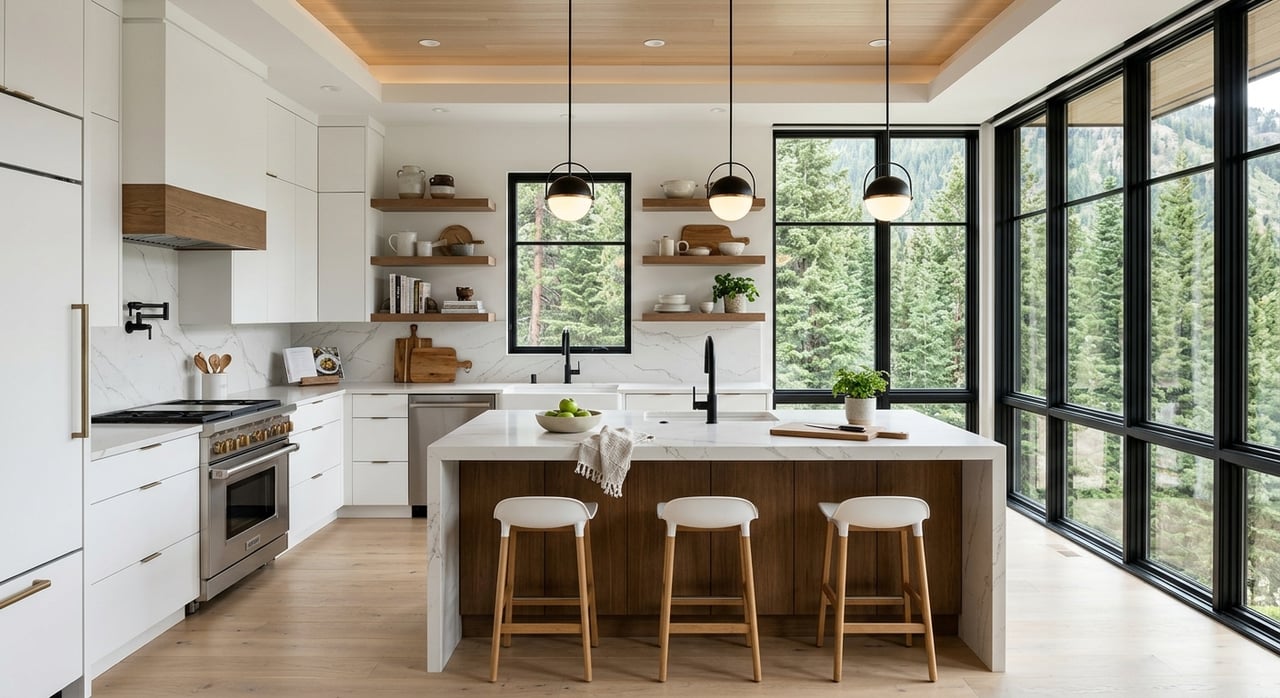
- Thoughtful staging: show a functioning home office and an inviting outdoor entertaining zone. Focus on clean lines, light, and flow.
Target the right channels
Make sure your listing remarks and outreach speak the Boulder buyer’s language.
- MLS remarks: emphasize Boulder adjacency, commute times, trail access, and lot utility.
- Social and digital ads: target Boulder ZIPs with imagery that highlights outdoor living and space.
- Broker opens: invite agents who represent Boulder clients and present the value story clearly.
- Email outreach: share a concise comparison of value per square foot and convenience to Boulder.
- Neighborhood guides: position Longmont’s amenities alongside the Boulder lifestyle in an objective, side-by-side way.
Navigate objections and appraisals
Prospective buyers may have concerns about commute, culture fit, and price justification. Anticipate these early.
- Commute: provide verified drive-time ranges and alternative routes. Mention park-and-ride or express bus options if relevant.
- Lifestyle: create a simple amenities map that shows parks, trails, dining, and services near your home.
- Price support: prepare a comp package oriented to appraisal standards. Include closed Longmont comps, your adjustment notes, and any feature premiums.
- Condition: share pre-listing inspection results and repair receipts. This reduces perceived risk and supports stronger offers.
- Long-term potential: highlight attributes that support future value, such as proximity to open space, lot size, or ADU potential where allowed.
Appraisers typically rely on recent closed sales in the subject area. If your pricing narrative includes cross-market Boulder comps, be ready to explain feature-based adjustments and why your Longmont comps support the contract price.
Quick checklists
Comp checklist
- 3 to 6 closed sales in your micro-market within 90 days when possible.
- 2 to 4 active or pending competitors buyers will tour the same week.
- 1 cross-market Boulder example if buyers would compare it. Label it clearly as a comparison only.
- For each comp: sale date, days on market, list and sale price, finished vs. unfinished square footage, lot size, notable upgrades, and commute time to Boulder.
- Note appraisal risk and prepare documentation if you price above typical Longmont comps.
Staging and marketing checklist
- Professional photos plus floor plans.
- Accurate commute times and route notes in all marketing.
- A staged home office and an outdoor entertaining zone.
- Energy features and recent utility info disclosed.
- Pre-listing inspection with a clear repair list or receipts.
Ready to price with confidence?
When you align your comp set, pricing strategy, and presentation to what Boulder buyers value, you widen your pool and protect your bottom line. If you want help calibrating price, crafting a design-forward marketing plan, and managing appraisal risk, schedule a conversation with Candace Newlove Marrs for a tailored strategy.
FAQs
What do Boulder-area buyers value most in Longmont?
- Outdoor living, commute convenience, turnkey condition or light updates, functional layouts with office space, and energy-efficient systems tend to carry the most weight.
How should I choose comps for a Longmont listing?
- Start with recent closed sales in your micro-market, add current competitors, and include one relevant Boulder comparison only to understand expectations, not to set price.
How do I handle appraisal risk if I price aggressively?
- Prepare an appraisal-ready package: closed Longmont comps, feature adjustments, pre-listing inspection, and documentation of upgrades that support contract value.
What features earn the biggest premiums?
- Updated kitchens and baths, finished lower levels, south-facing usable yards, mountain views or trail access, garage and storage, and EV readiness often merit premium pricing.
How can I market commute benefits credibly?
- Verify peak and off-peak drive times to key Boulder areas, outline primary routes, and mention park-and-ride or express bus options when applicable.
Should I slightly underprice to spark multiple offers?
- It can work in low-inventory conditions, but weigh appraisal risk and buyer quality. A market-value price with standout presentation is often a balanced approach.