Is there a right month to list your Boulder home for maximum attention and price? If you plan to sell in the next few seasons, timing can make a noticeable difference in showings, days on market, and the strength of offers. You want a plan that fits your property type, your move date, and Boulder’s seasonal rhythm. This guide breaks down the best listing windows, what to expect by property type, and a practical 3 to 12 month prep timeline so you can launch with confidence. Let’s dive in.
Best months to sell in Boulder
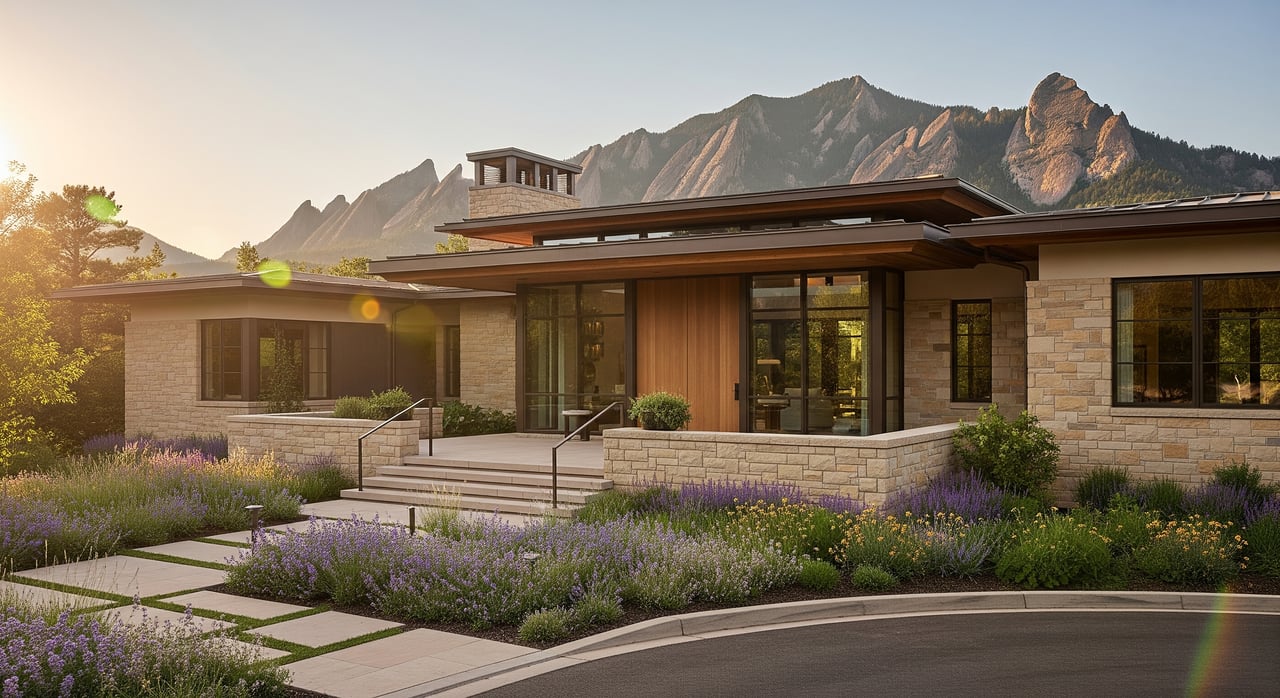
Spring is the primary selling season in Boulder, typically from mid-March through June. Buyer activity rises as weather improves, outdoor spaces come to life, and families aim to move before the next school year. You’ll often see more showings and stronger offer activity in this window. Curb appeal usually peaks in May and early June as landscaping and views look their best.
Secondary window: late summer
A second, smaller upswing often appears in late August through September. This period attracts buyers who paused summer plans, back-to-school relocations, and job moves tied to the academic calendar. Listing supply is usually lighter than spring, but buyer intent can be strong. If you miss the spring rush, this can be a smart alternative.
Winter and mid-summer
Late November through February is the slowest stretch. There are fewer active buyers, but the ones who are looking can be serious and may have relocation or timing constraints. Lower listing competition can help unique or niche properties stand out. July can also be quieter as many buyers travel, even though inventory from spring is still on the market.
Why seasonality matters in Boulder
Boulder’s high-altitude climate shapes how homes show and how buyers shop. When snow lingers into March or April, outdoor areas and mountain views take center stage in May and early June. Proximity to trails and parks is a lifestyle driver for many buyers, and these features show best in warmer months. The university and local employers also influence timing, which can amplify late spring and early fall buyer waves.
Timing by property type
Single-family homes
Single-family homes are the most seasonal. You’ll usually get peak performance in spring when outdoor spaces shine and family buyers are most active. If you own a luxury single-family home, consider a longer runway with late spring or early fall exposure. Premium marketing and pricing precision are essential at the higher end.
Condos and townhomes
Condos and townhomes see more consistent interest year-round from students, young professionals, and downsizers. They still benefit from spring, when you can capture more eyeballs at once. Build in time to assemble HOA disclosures and financials, since those materials can affect buyer timelines and confidence. A clean, early disclosure packet helps reduce friction.
Investment and rental properties
Demand for rental units often rises in late spring and summer when leases turn over. If the property is tenant-occupied, coordinate notice and showings thoughtfully and follow local landlord-tenant requirements. Clear communication with tenants and a showing plan can make or break your launch. Consider timing your list date to minimize vacancy gaps between tenants.
Unique, mountain, and acreage homes
Out-of-area buyers are common for unique properties and mountain homes. Summer and early fall help you showcase access roads, views, and outdoor living without weather limitations. Snow can hide access issues in winter, so you’ll typically get better results when conditions are clear. Plan for an extended marketing period and targeted outreach to the right buyer profiles.
Inventory and days on market
- Inventory usually starts building in late February and peaks in late spring or early summer. Listing just as the market wakes up can help you capture pent-up demand.
- Days on market typically improve in spring compared with winter, and multiple-offer scenarios are more common in competitive years.
- Luxury properties tend to take longer regardless of season, which makes premium presentation and targeted marketing critical.
- Market shifts like mortgage-rate moves can reshape the usual seasonal pattern. Ask your agent to pull month-by-month local data for the last 12 to 36 months so you can confirm what is happening in your neighborhood right now.
Local metrics to request from your agent
- Active listings by month, split by property type and bedroom count
- Median days on market and time to contract by month
- Median sale price and percent of list price received by month
- Showings or traffic per listing, when available
- Price-per-square-foot trends by neighborhood or zip code
Your 3 to 12 month prep timeline
Use this plan to hit the primary spring window or the late-summer secondary window. Adjust lead times based on the scope of your prep and your target close date.
9 to 12 months before closing
- Decide whether to sell as-is or renovate. Major kitchen, roof, structural, or addition projects can take 6 to 12 months or more.
- Get a preliminary valuation and contractor estimates so you invest in the right improvements.
- If your plans involve permits or short-term rental status changes, start early. City timelines can add months.
3 to 6 months before listing
- Complete major repairs and improvements. Focus on roof, HVAC, insulation, plumbing or electrical, and code items.
- Consider radon testing and mitigation. Addressing it upfront helps reduce buyer objections common in Colorado.
- Review wildfire risk if applicable and complete fuels mitigation where recommended. Gather documentation for buyers.
- Plan landscape improvements so yards, patios, and paths look their best by May and June.
- Consider a pre-listing inspection to surface issues you can repair or price into your strategy.
6 to 12 weeks before listing
- Finalize staging and contractor schedules.
- Knock out photography-ready updates: neutral paint, deep cleaning, decluttering, and simple storage solutions.
- Order professional photography and floor plans for your listing week.
- Assemble your disclosure packet: HOA docs, recent utilities, warranties, permit history, surveys, and any floodplain or fire-risk information.
- If the home is tenant-occupied, confirm notice requirements and a showing plan.
2 to 4 weeks before listing
- Complete staging and a professional clean.
- Confirm any drone or aerial photo permissions if needed.
- If you chose a pre-inspection approach, do a final check and gather receipts for completed repairs.
- Set your list price strategy based on current inventory and nearby pending sales.
Launch week
- Go live with professional photos, 3D tour, and floor plans.
- Consider a broker preview and targeted digital marketing to reach relocation and lifestyle buyers.
- Schedule open houses for the first weekend. The first two weekends are often your highest-exposure window.
After offers and under contract
- Expect roughly 30 to 45 days from contract to close, depending on financing and inspections.
- If you want to be closed before the school year, aim to list by late June through mid-July to allow time for inspections and closing.
Boulder-specific strategies to maximize price
Pricing and marketing focus
- Highlight outdoor living, views, trail access, solar features, and water-wise landscaping where relevant.
- Note walkability and access to transit or downtown when appropriate.
- For high-end or architecturally distinct homes, invest in targeted outreach to qualified buyer pools and relocation audiences.
- For condos, share HOA financials early to build trust and reduce delays.
Disclosures and local items to prepare
- Wildfire risk and any mitigation steps you have taken.
- Floodplain considerations, especially around waterways. Provide any known flood history or documentation.
- Radon test results and mitigation details if completed.
- Solar panels, septic or well records, permits, and energy code compliance history where applicable.
- Short-term rental history and permits if the property has been used as a rental.
Staging and photography priorities
- Make the landscape a hero. Native plantings, trail adjacency, and outdoor rooms resonate with Boulder buyers.
- Use wide-angle interiors and aerials for views, acreage, or unique settings.
- Time photography when the exterior looks its best, often late April through June.
Buyer targeting insights
- Expect strong interest from families focused on neighborhood access and outdoor amenities.
- Condos and townhomes attract students, professionals, and downsizers, which supports a year-round baseline of activity.
- Mountain and unique properties often draw out-of-area buyers, so plan for longer exposure and tailored campaigns.
Negotiation timing
- In typical spring markets, look for your best offers in the first two to three weeks.
- Luxury or unique homes may benefit from longer campaigns and curated private showings.
Picking the right window for your move
If you want maximum exposure and a higher chance of multiple offers, target mid-March through June. If your schedule points to late summer, late August through September can still deliver solid results with less competing inventory. Winter can work for motivated buyer pools or special properties with standout features. The best strategy matches your property type, your prep runway, and the current month-by-month data in your neighborhood.
Ready to build a custom plan for your home? For a boutique, design-forward listing experience with senior-level pricing, financing insight, and concierge prep and staging, connect with Candace Newlove Marrs.
FAQs
What is the best time to sell a home in Boulder?
- Spring, typically mid-March through June, is the top window for exposure and stronger offers, with a secondary bump in late August through September.
How does winter affect selling a house in Boulder?
- Winter has fewer buyers and usually longer days on market, but lower listing competition can help niche or standout properties attract serious, motivated buyers.
When should I start preparing my Boulder home for a spring listing?
- Begin major work 3 to 6 months out and complete cosmetic updates 6 to 12 weeks before listing so you’re photo-ready by late March to June.
Do condos in Boulder have the same seasonality as single-family homes?
- Condos and townhomes show more consistent demand year-round, but they still benefit from spring activity and should present strong HOA disclosures early.
How long does it take to close after accepting an offer in Boulder?
- Most transactions close in about 30 to 45 days, depending on financing and inspections, so plan your list date accordingly if you have a target move date.
Should I get a pre-listing inspection for my Boulder home?
- A pre-inspection can be helpful, especially for older homes or competitive price points, because it surfaces issues you can fix or price into your strategy.
What documents should I gather before listing in Boulder?
- Assemble HOA documents, utility history, permits, warranties, surveys, and any wildfire, floodplain, radon, solar, septic, or well records relevant to the property.