Curated Architectural Home Marketing for Boulder Sellers
April 2, 2026
April 2, 2026
If your Boulder home has real architectural character, a standard listing strategy can leave value on the table. Buyers often decide online whether a home is worth touring, and distinctive properties need more explanation, better visuals, and more careful positioning than a typical resale. When your home has design pedigree, custom layout choices, or historic context, the marketing should help buyers understand why it matters. Let’s dive in.
Architecturally notable homes rarely fit into a simple checklist of upgrades and square footage. In Boulder, design-forward properties may reflect mid-century modern, contemporary, or historically significant architecture, and each style speaks its own visual language.
According to the City of Boulder, the community has 10 local historic districts and more than 1,300 designated properties. That means some homes carry not only visual appeal, but also civic and architectural context that should be described accurately and thoughtfully.
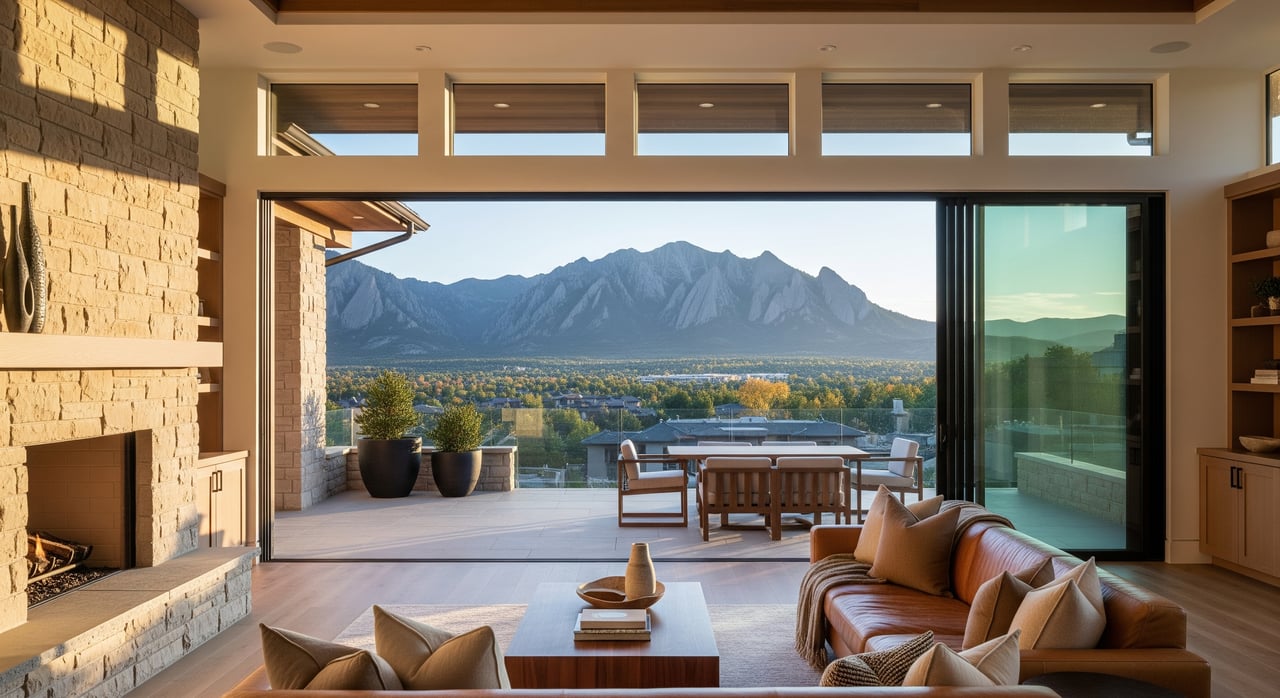
For many of these homes, buyers are not just comparing finishes. They are responding to proportion, light, materials, layout, and the relationship between the home and its site. Curated marketing helps translate those qualities into clear value.
In Boulder, vague listing language like “unique” or “updated” is usually not enough. If a home reflects a recognizable style, that style should be named and explained in plain language so buyers understand what makes the property different.
The city’s post-World War II historic context report notes that Boulder’s local modern movement often features reduced ornament, flat or angular roof forms, and façades without applied decoration. For a seller, that means the right marketing should call out intentional design choices rather than treating them as neutral background details.
A strong narrative often includes:
This kind of storytelling matters in Boulder because buyers in the upper-midmarket and luxury segments are often buying both a home and a point of view. They want to understand the design, not just scroll past it.
Today’s buyers almost always meet your home online before they ever step inside. That makes digital presentation one of the most important parts of the sale strategy.
Zillow’s 2025 buyer research found that 68% of prospective buyers had viewed homes on a real estate website, while 39% had attended an open house or private tour. In simple terms, the online experience often determines whether a showing happens at all.
That is especially important in Boulder, where Redfin reports that many buyers search locally within the metro area, but the city also attracts inbound interest from markets like Miami, Dallas, and Los Angeles. Your listing has to work for both audiences: people who already know Boulder and people who need more context about the home, setting, and lifestyle.
Custom architecture often comes with custom floor plans. That can be a major selling point, but only if buyers can quickly understand how the spaces connect.
Zillow’s 2024 housing trends report found that 86% of buyers were more likely to view a home if the listing included a floor plan they liked. The same report found that 77% said a dynamic floor plan linking photos to layout would help them decide, and 70% said 3D tours gave them a better feel for the space than static photos.
For architecturally distinct Boulder homes, those tools are not extras. They help buyers make sense of split levels, indoor-outdoor circulation, dramatic great rooms, private wings, or unusual room sequences that may not read clearly in still photography alone.
At the same time, Zillow also found that 80% of buyers said the only way to truly understand a home’s layout is to see it in person. That is why immersive media should qualify interest and improve showing quality, not replace the tour itself.
Design-forward homes need visual sequencing, not just pretty pictures. The goal is to show how the architecture unfolds, how light moves through the home, and how the rooms relate to one another.
Zillow’s 2024 Showcase release reported that immersive listings with high-resolution photos, interactive floor plans, and 3D tours earned 75% more page views, 68% more saves, and 75% more shares than comparable traditional listings on Zillow. The same release noted those listings were 20% more likely to secure an accepted offer within 14 days.
While those numbers are Zillow-specific, the takeaway is broader. Distinctive homes often need richer presentation because buyers need more context to appreciate the design and justify the price point.
The best staging for a Boulder architectural home does not compete with the structure. It helps buyers read scale, circulation, and purpose while keeping attention on the architecture itself.
The National Association of Realtors found in its 2025 staging profile that 83% of buyers’ agents said staging made it easier for buyers to visualize the property as a future home. Nearly three in ten sellers’ agents said staging led to a 1% to 10% increase in dollar value offered, and 49% said staging reduced time on market.
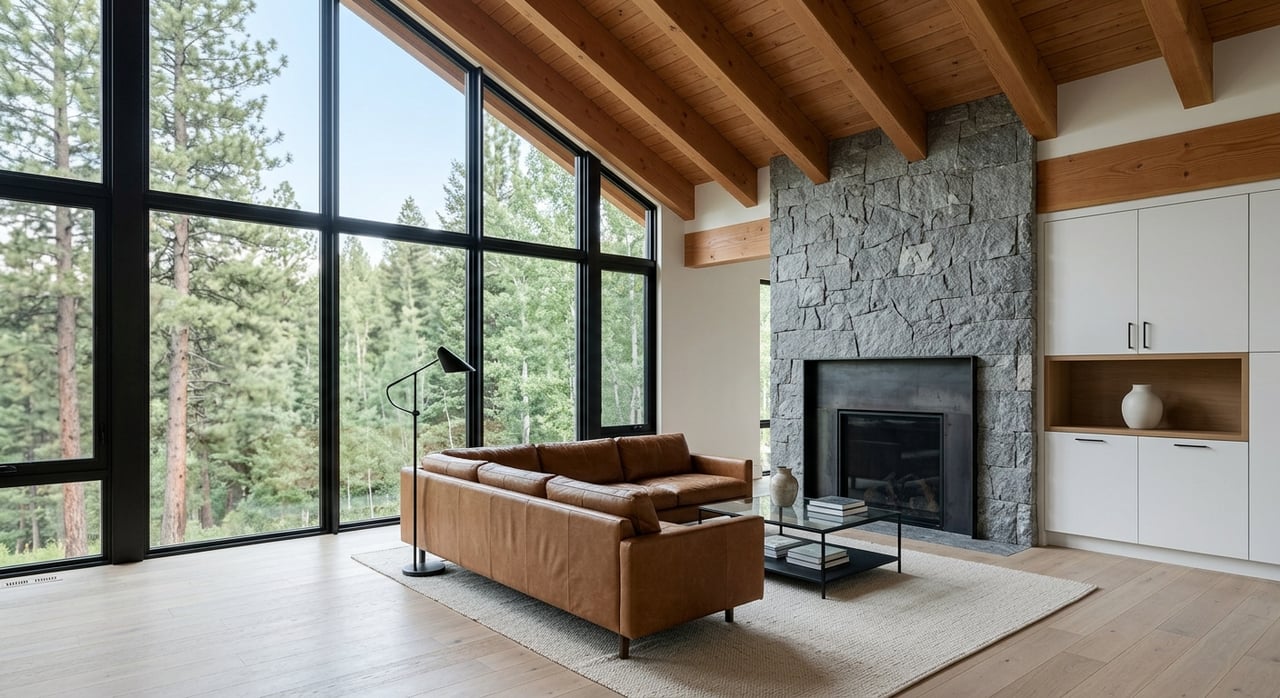
For many architecturally distinct properties, the most effective staging choices are restrained. Clean-lined furnishings, thoughtful scale, and visual calm can help buyers focus on window walls, ceiling height, material transitions, or original details rather than feeling distracted by overfurnished rooms.
The most commonly staged rooms nationwide were the living room, primary bedroom, and dining room, according to NAR. For Boulder sellers, those spaces are often where architecture and lifestyle meet most clearly, so they deserve special attention.
In Boulder, the word “historic” is not just a style description. It can also carry real process and compliance implications.
The City of Boulder states that exterior changes to landmarked properties or homes within a historic district require Landmark Alteration Certificate review. The city also notes that age alone does not automatically make a building protected, but homes older than 50 years that are not designated may still be subject to historic-preservation demolition review.
That matters before you start prep work, discuss additions, or market future remodeling flexibility. A curated listing for a distinctive Boulder home should be accurate about what is original, what has been approved, and what buyers should verify with the city.
The city also notes that some approved rehabilitation work on designated properties may qualify for preservation incentives, and staff can help owners through the process. For sellers, the practical takeaway is simple: verify status early so your marketing and pre-sale strategy are aligned with the facts.
Even the best marketing needs the right price and audience strategy behind it. Boulder’s design-forward neighborhoods and distinctive single-family homes often sit in a higher-value segment, so presentation and positioning have to match.
As of February 2026, Redfin reports Boulder’s median sale price at $807,000 across all home types and $1.228 million for single-family homes, with a median 50 days on market. The sale-to-list ratio was 98.7%, and 17.7% of homes sold above list.
Neighborhood medians in design-sensitive areas were higher, including Mapleton Hill at about $1.525 million and Table Mesa South at about $1.239 million. For a seller of an architecturally distinct home, that means pricing should reflect not only the broader market, but also the home’s design quality, rarity, condition, and buyer pool.
For a Boulder home with architectural distinction, effective marketing usually includes several coordinated elements working together:
This is where boutique, high-touch guidance can make a real difference. A distinctive home often needs more than exposure. It needs interpretation.
When your property is being introduced to both local buyers and out-of-area shoppers, the story has to be polished, factual, and easy to understand. That is how strong design becomes marketable value.
If you are preparing to sell an architecturally distinct home in Boulder, a tailored strategy can help you present it with the clarity and care it deserves. To talk through pricing, presentation, and a marketing plan built around your home’s specific character, connect with Candace Newlove Marrs.
Stay up to date on the latest real estate trends.
Combining decades of real estate expertise with a passion for making dreams come true, Candace simplifies the journey to discovering your ideal home.